
International Antarctic Center (CAI)
Punta Arenas, Magallanes and Chilean Antarctica Region · 2020 · Architecture · Project
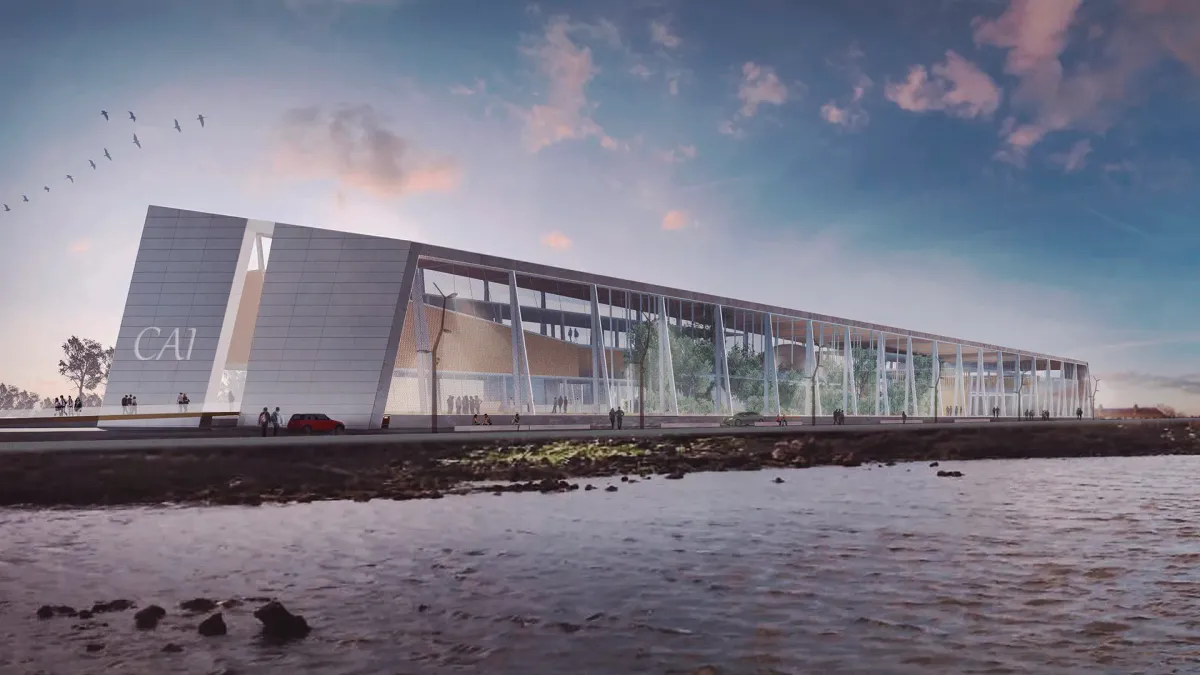
International competition for a system of knowledge, preservation, and dissemination of Antarctic ecosystems in Punta Arenas.
- Category
- Architecture
- Client
- International Competition
- Location
- Punta Arenas, Magallanes and Chilean Antarctica Region
- Region
- Magallanes and Chilean Antarctica Region
- Area
- 12.500 m²
- Project year
- 2020
- Status
- Project
The International Competition for the design of the International Antarctic Center (CAI) in the city of Punta Arenas represents one of the most significant milestones in scientific, cultural, and territorial infrastructure in the southern cone. Conceived as a cutting-edge project of planetary scale, the CAI stands not only as a gateway to Antarctica, but as a system of knowledge, preservation, and dissemination of southern ecosystems, consolidating Punta Arenas as a strategic enclave and global node of scientific connection with the white continent.
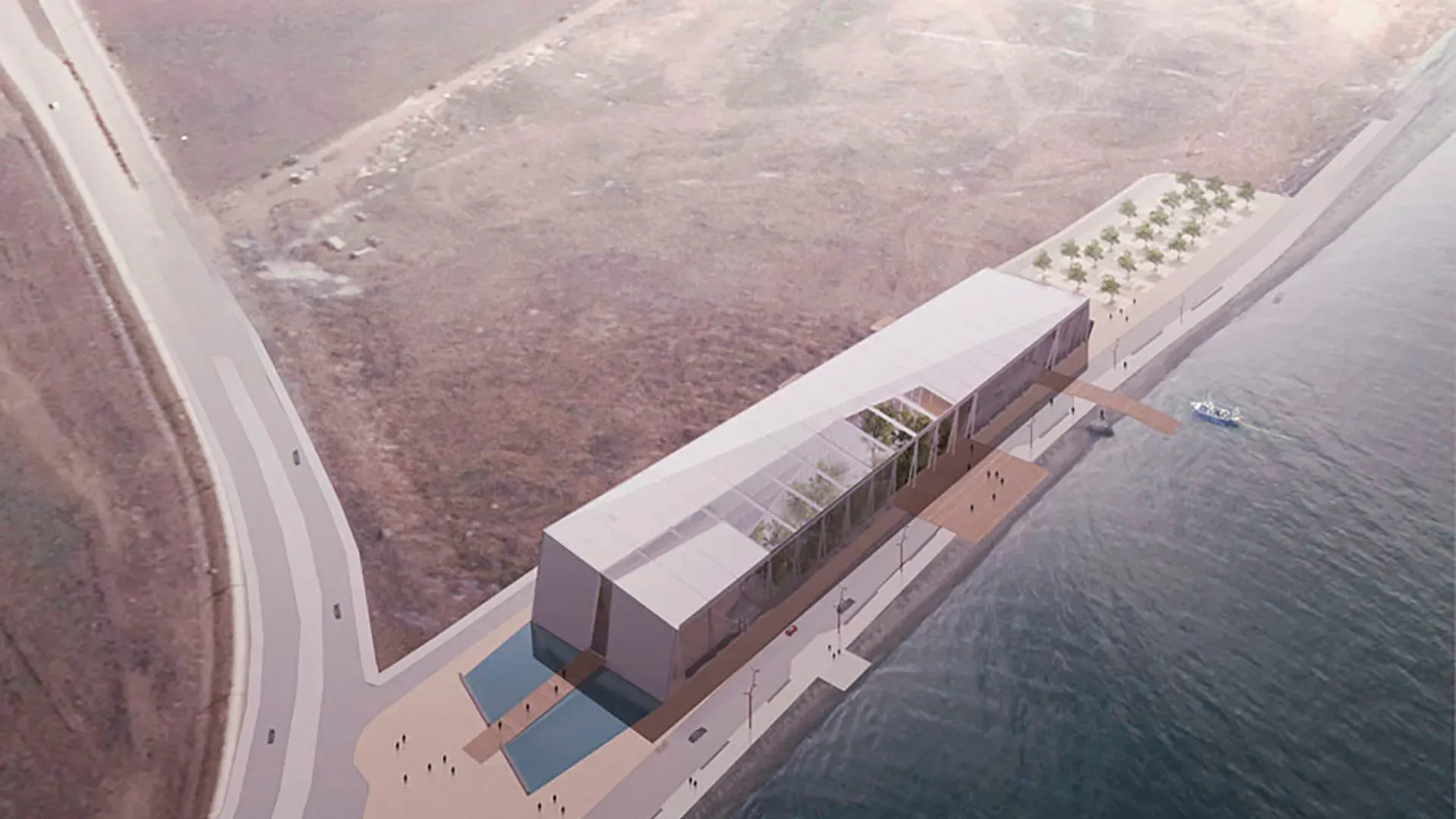
An Envelope that Connects Science, Territory, and Citizenship
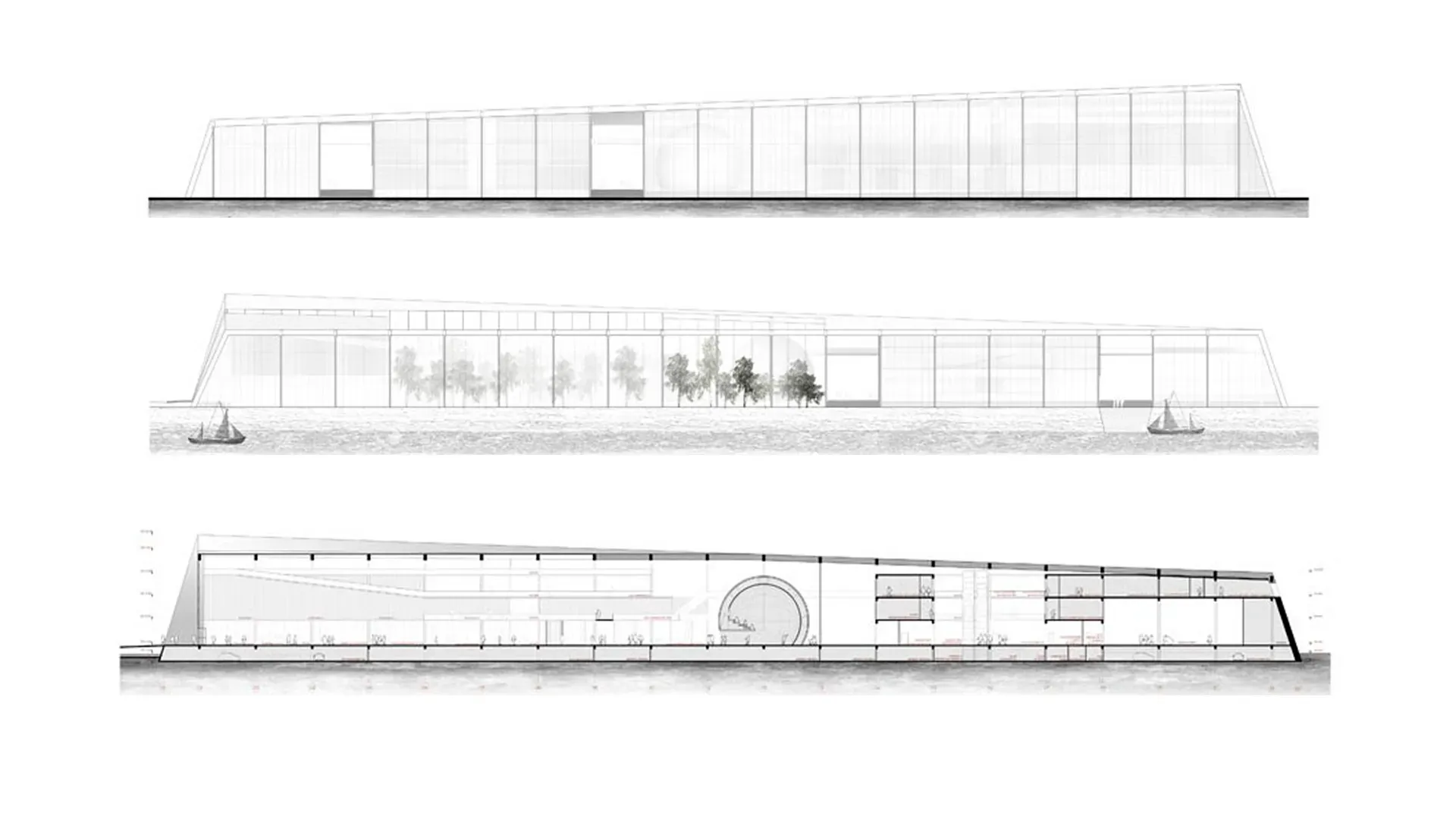
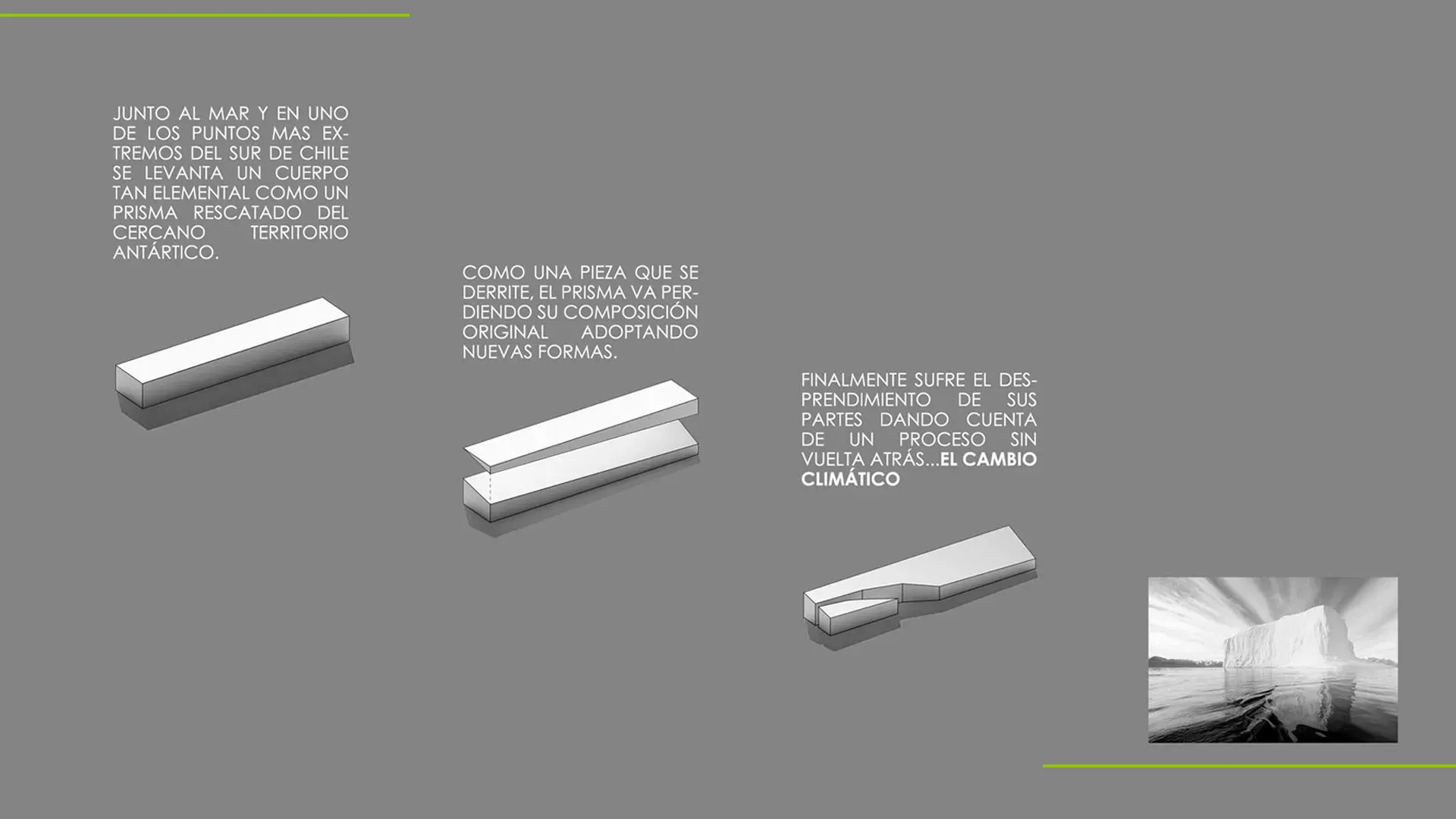
The architectural proposal is conceived as a large multiprogrammatic envelope that harmoniously articulates scientific, educational, museographic, and logistical functions within a single design operation. Its morphology and spatiality emerge from a deep understanding of its geographic, climatic, and historical context, establishing a symbiosis between architecture and landscape along the southern edge of Punta Arenas, on the shores of the Strait of Magellan.
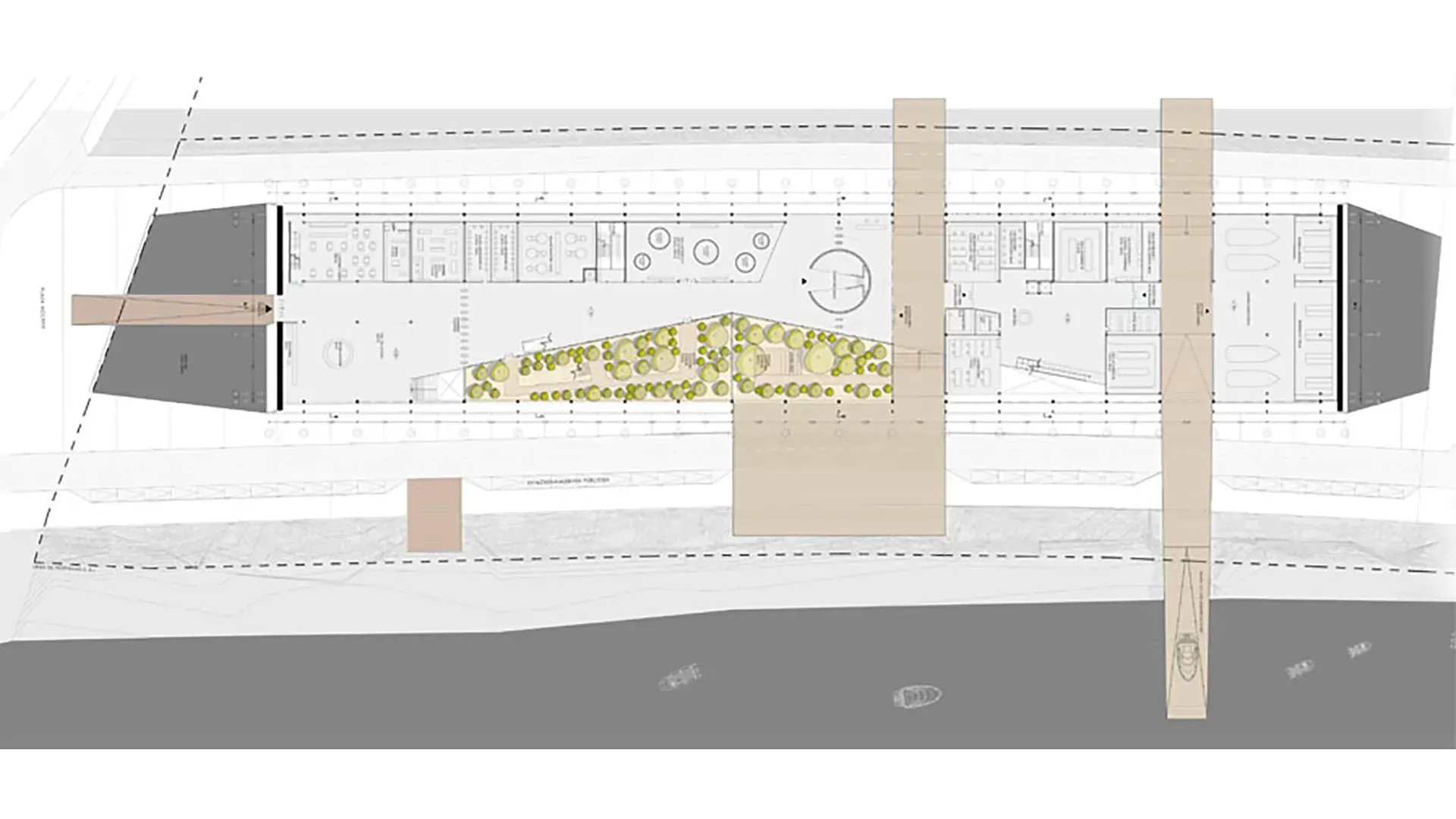
The building is not merely a container of programs: it is an interface between the city and the Antarctic territory, designed to educate, research, communicate, and connect, bringing citizens into the world of polar science and the transformations of climate change.
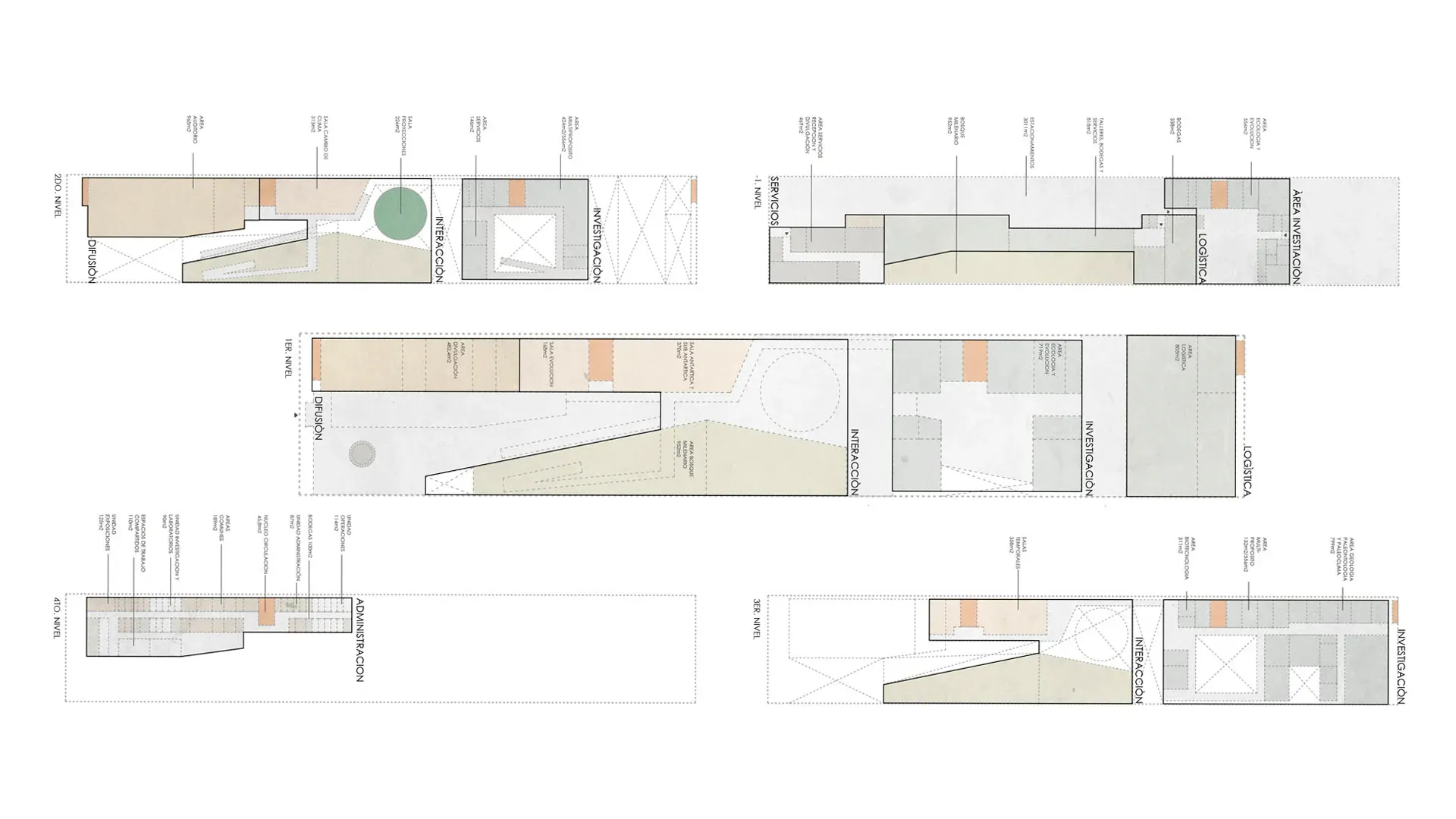
Program and Spatiality: A Polar Narrative for Diverse Audiences
With an area of approximately 12,500 m², the International Antarctic Center houses a complex program that interweaves multiple scales and users, from international scientists to school groups and tourists:
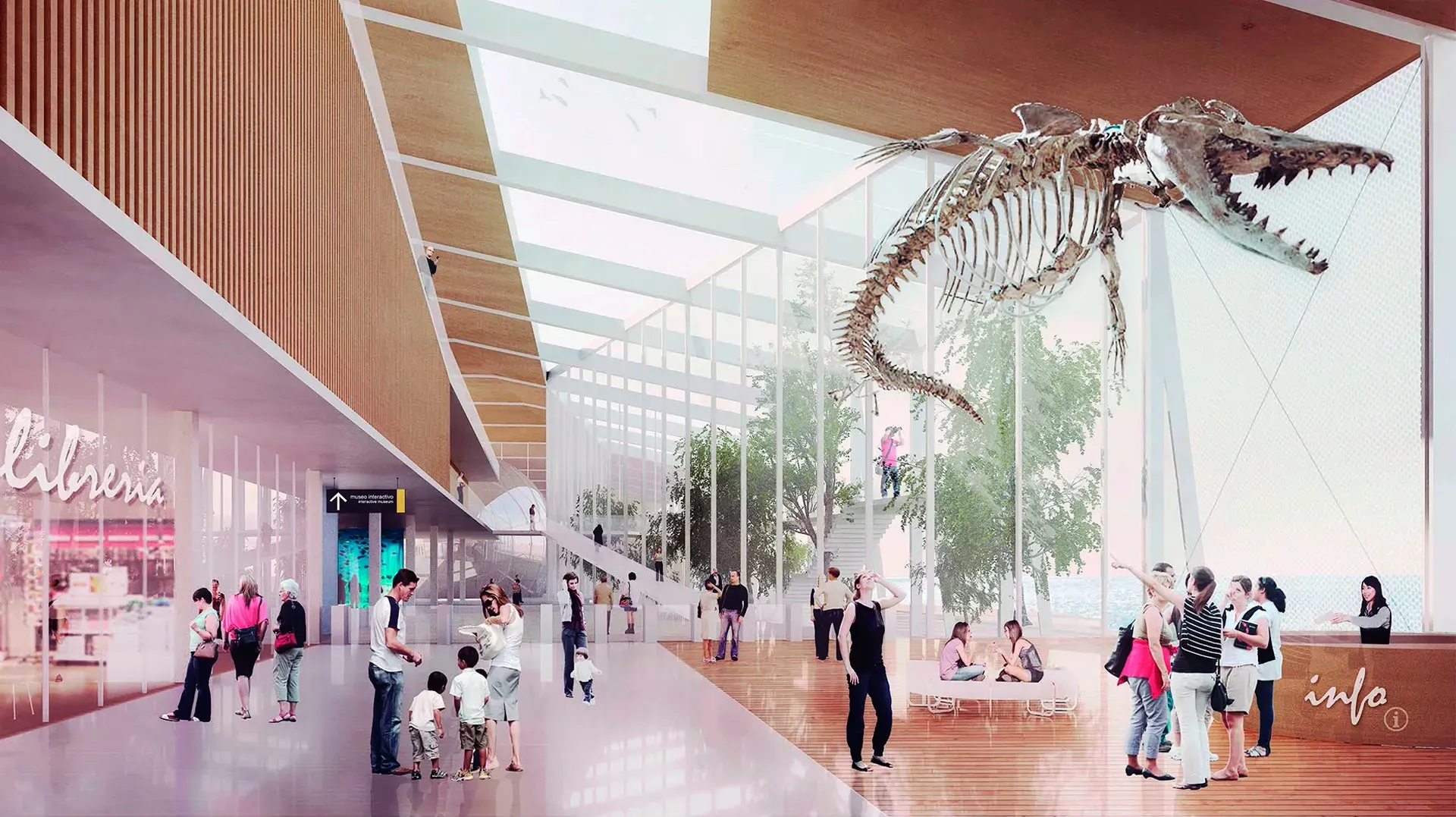
- Exhibition areas and thematic museography: immersive routes covering everything from the region’s paleontological and natural history to the current environmental challenges facing the white continent.
- Scientific laboratories and logistics platforms: first-rate infrastructure for advanced polar research.
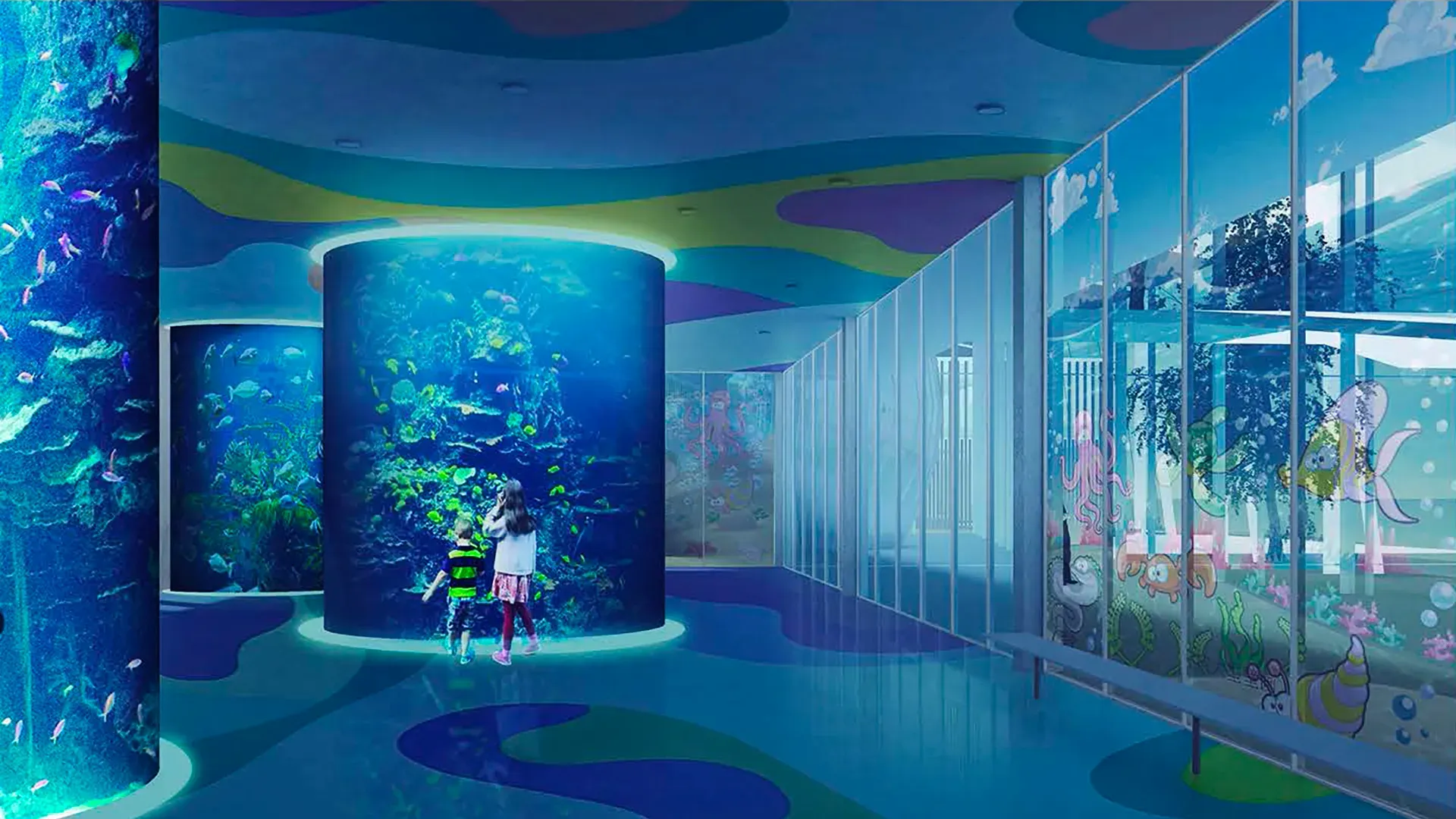
- Educational and community gathering areas: classrooms, multipurpose rooms, an auditorium, and interactive zones.
- Public spaces for integration and contemplation: interior plazas, terraces, and public circulation areas.
Sustainability and Climate Adaptation
In line with its mission, the CAI integrates advanced principles of passive design, energy efficiency, and climate resilience, adapted to the extreme wind, salinity, and temperature conditions of southern Chile. Thermal envelopes, energy-harvesting systems, rainwater collection, and solar control are incorporated, turning the building into a demonstrative model of sustainable architecture in sub-Antarctic climates.
Infrastructure Linking the Local and the International
The International Antarctic Center is configured as a geographic, scientific, and symbolic bridge between the city of Punta Arenas, Antarctica, and the rest of the planet. Its location strengthens Chile’s role as a global platform for polar research, integrating scientific, educational, and logistical networks of international reach, while also connecting deeply with its local community through open programs, an educational vocation, and a strong territorial identity.
Synthesis
More than a building, the International Antarctic Center is a territorial and cultural catalyst, an urban artifact that allows us to look toward the future of planetary science from a deeply local root. It is architecture in the service of knowledge, sustainability, and memory, projected from the end of the world toward the understanding of one of the planet’s most fragile and influential ecosystems.