
ZIP Urban Regeneration Master Plan, Rancagua
Rancagua, O'Higgins Region · 2023 · Urban Design · Project
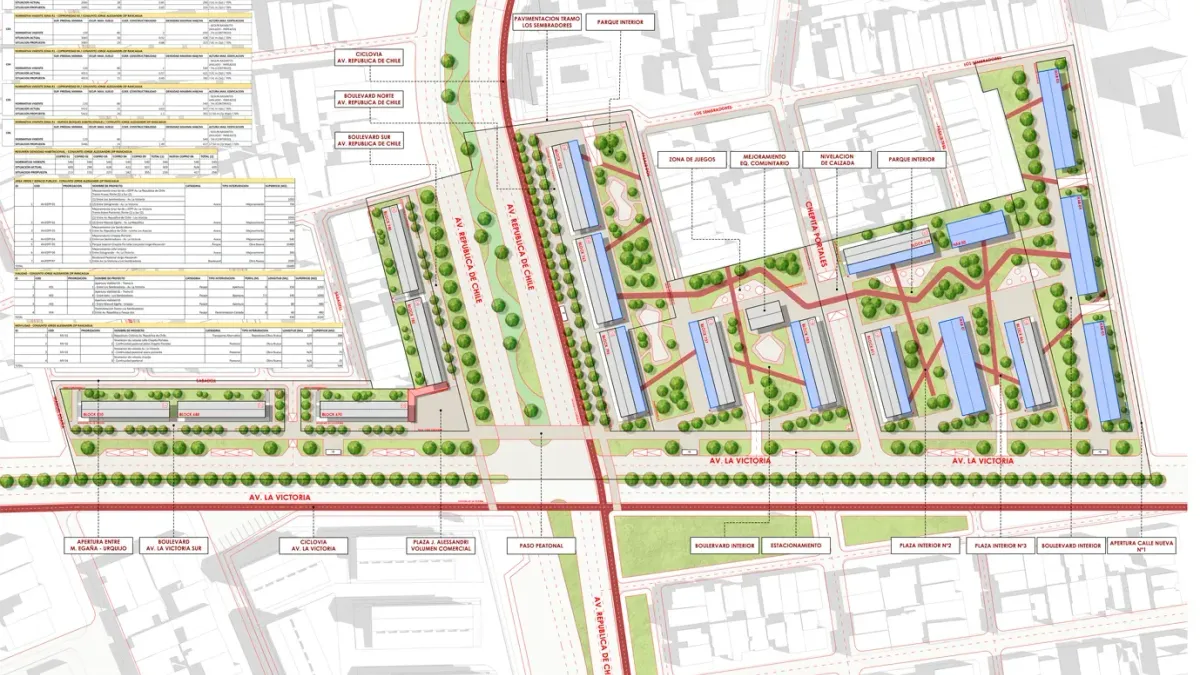
Diagnosis and Master Plan for the Rancagua-Machalí Zone of Public Interest, with a portfolio of 53 priority projects.
- Category
- Urban Design
- Client
- SERVIU – O'Higgins Region
- Collaborators
- Luis Sáez, Karen Saavedra, Matías Power, Ignacio Vergara
- Location
- Rancagua, O'Higgins Region
- Region
- O'Higgins Region
- Area
- 1.500 Há
- Project year
- 2023
- Status
- Project
Study Context
The ZIP Urban Regeneration Master Plan for Rancagua emerges as a response to a critical territorial diagnosis in the northeastern part of the city, covering an area of approximately 1,500 hectares. This sector represents a strip of unconsolidated urban growth, with multiple structural challenges resulting from fragmented expansion processes over recent decades, especially on repurposed agricultural land lacking comprehensive planning.
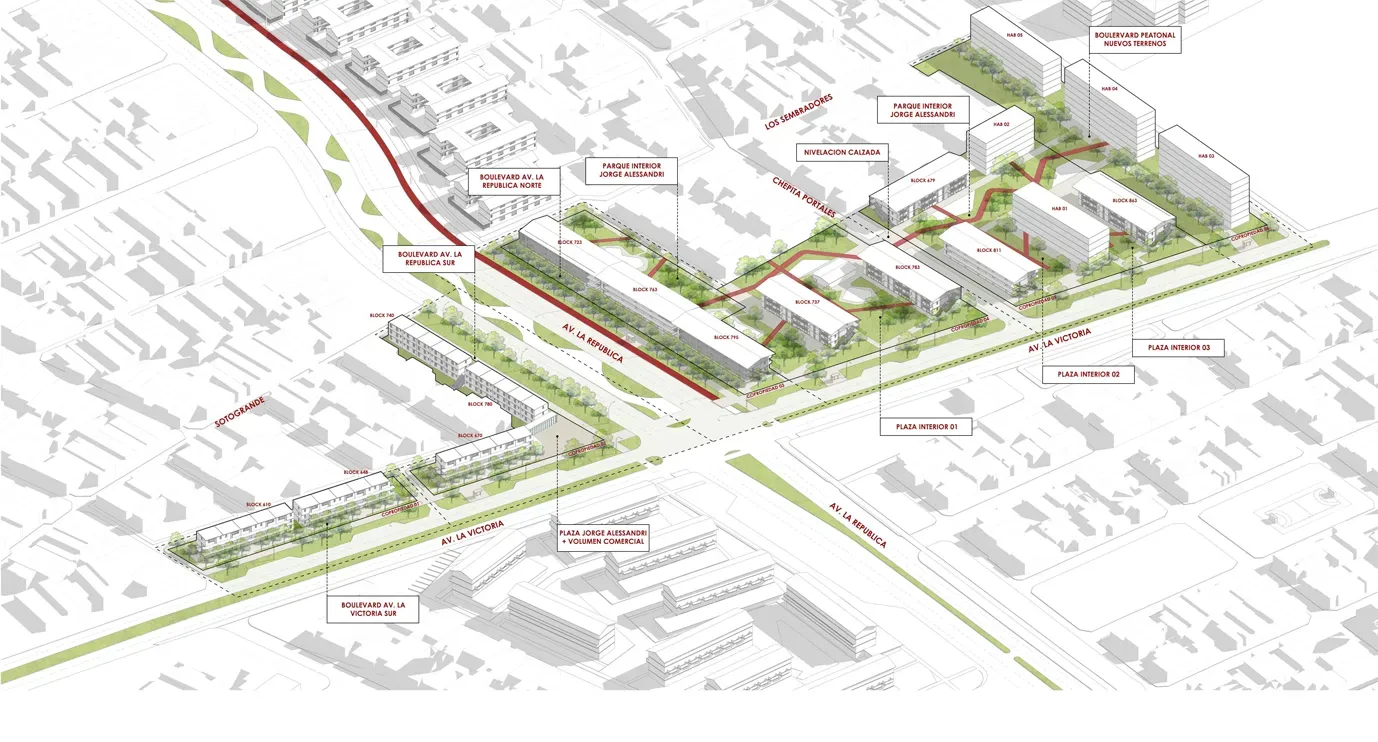
This area is marked by converging problems of road disconnection, scarcity and discontinuity of public facilities, deterioration of the residential environment, and a disjointed urban structure. The plan recognizes that these problems not only affect the sector’s functionality but also reproduce conditions of structural and social urban exclusion and precariousness.
The present study falls under the Housing Complex Regeneration program D.S. No. 18 and is divided into 4 stages, each with a Final Report. Throughout these stages, a Diagnosis and Regeneration Master Plan has been designed and implemented for the Rancagua-Machalí Zone of Public Interest.
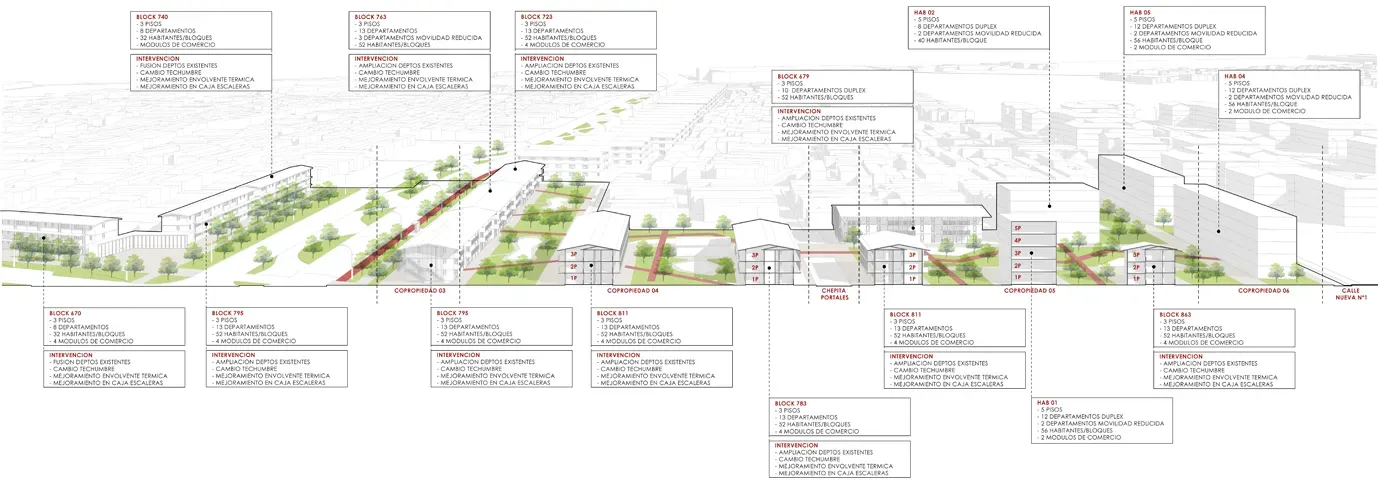
Study Objectives. The study sought to address problems of urban, housing, and public space deterioration, as well as the lack of connectivity between Rancagua and Machalí, fostering social and urban integration, equity in access to services, and the sustainable improvement of public spaces and green areas, with an implementation horizon of the next 15 to 20 years.
Identification of Critical Areas. Using qualitative and quantitative methods, including a Criticality Index that assessed 14 social, urban, and housing variables, three areas of criticality with high levels of vulnerability, or “Critical Housing Territories,” were identified. To address them, five Intervention Criteria were established within four Strategic Frameworks, which led to a Housing Management Plan and an Urban Management Plan.
Management Plans
Urban Investment Plan. 68 initiatives were proposed across four subsystems to revitalize deteriorated areas and improve connectivity, focused on assessments of public spaces, roadways, facilities, and land availability: the Territorial Reactivation Node, the Inner Green Ring, the Intercommunal Connection Buffer, and the Urban Expansion Area.
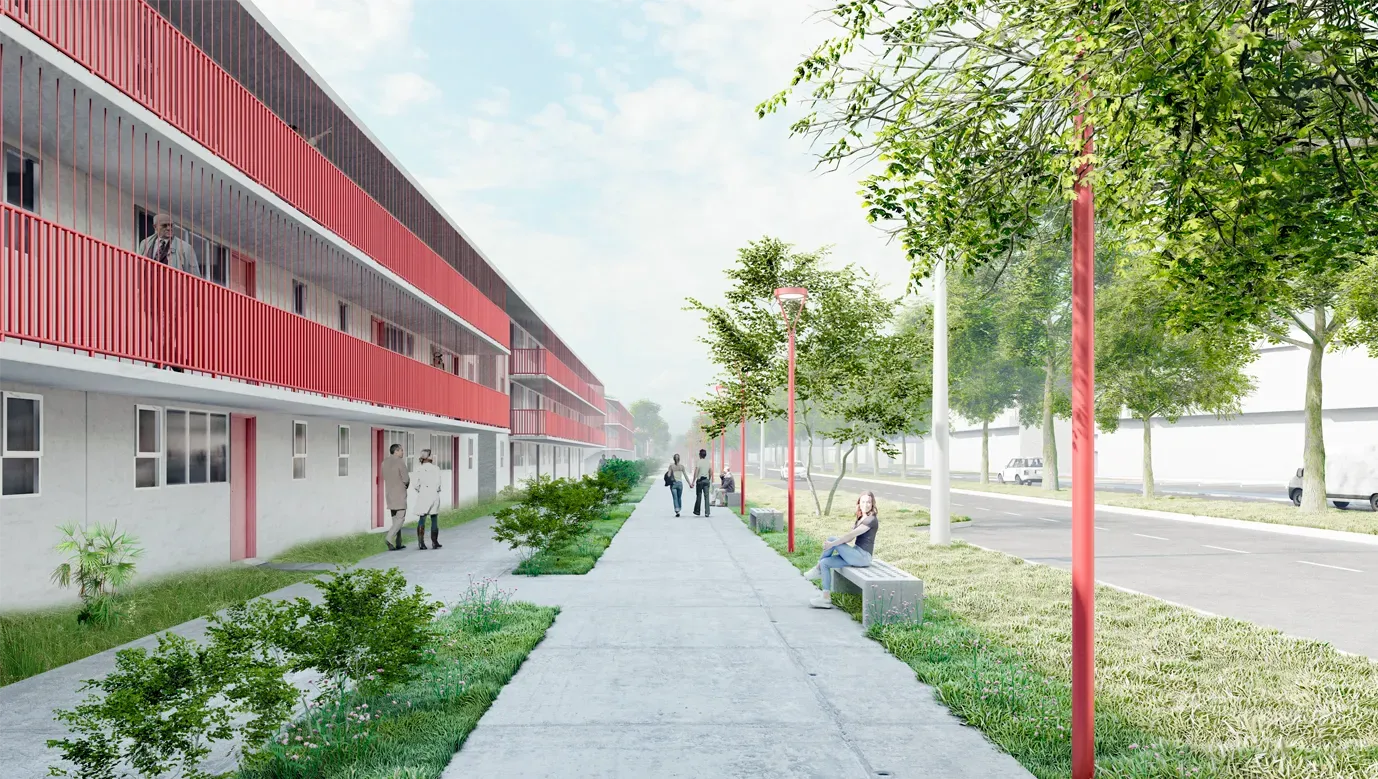
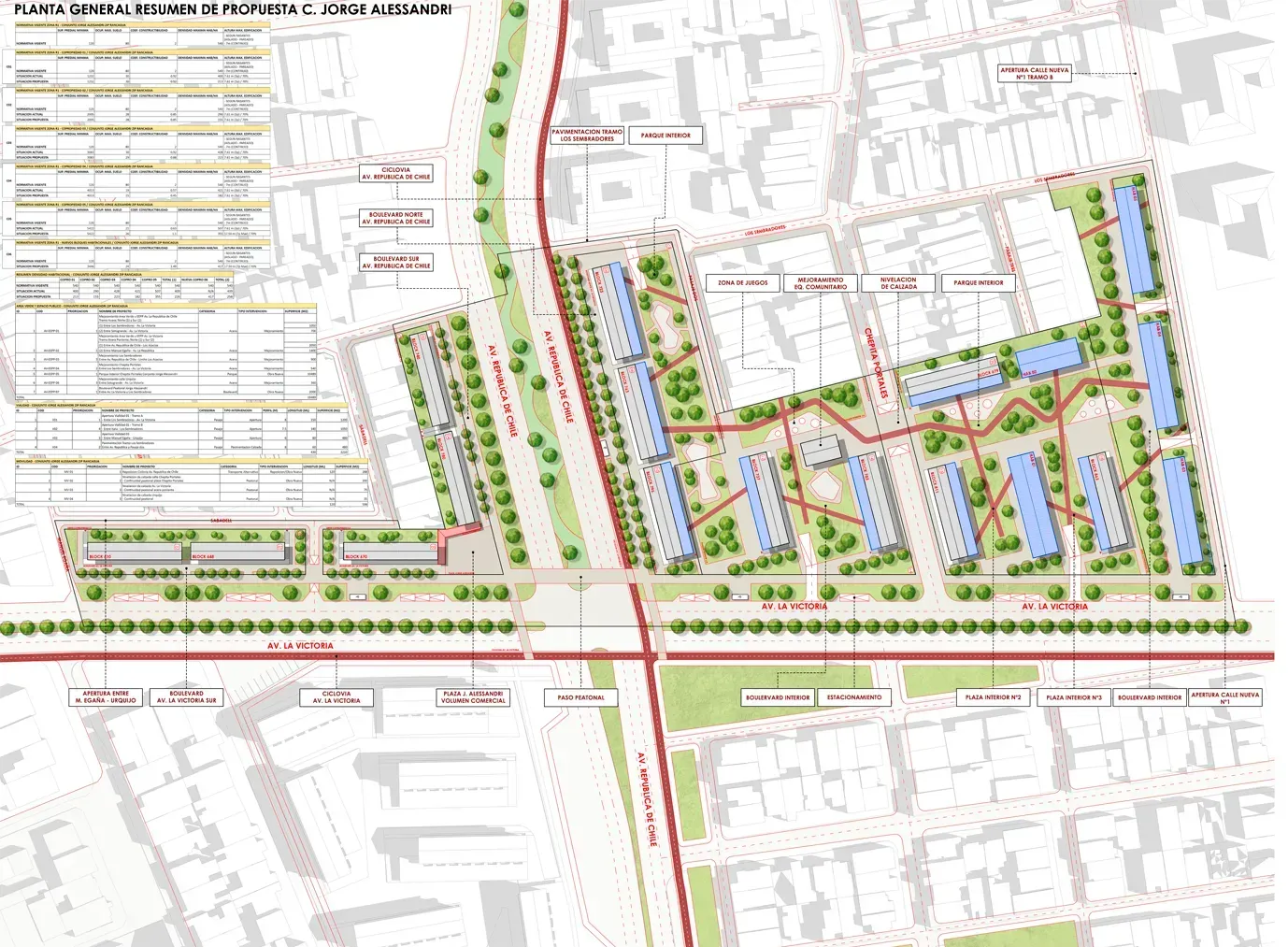
Housing Management Plan and Selection of the Critical Complex. The 13 most vulnerable condominiums in the study area were identified. The Jorge Alessandri housing complex proved to be one of the most critical, despite its strategic location: environmental degradation, disruptive activities, lack of internal organization, irregular construction, insufficient floor area per unit, and high socio-housing vulnerability.
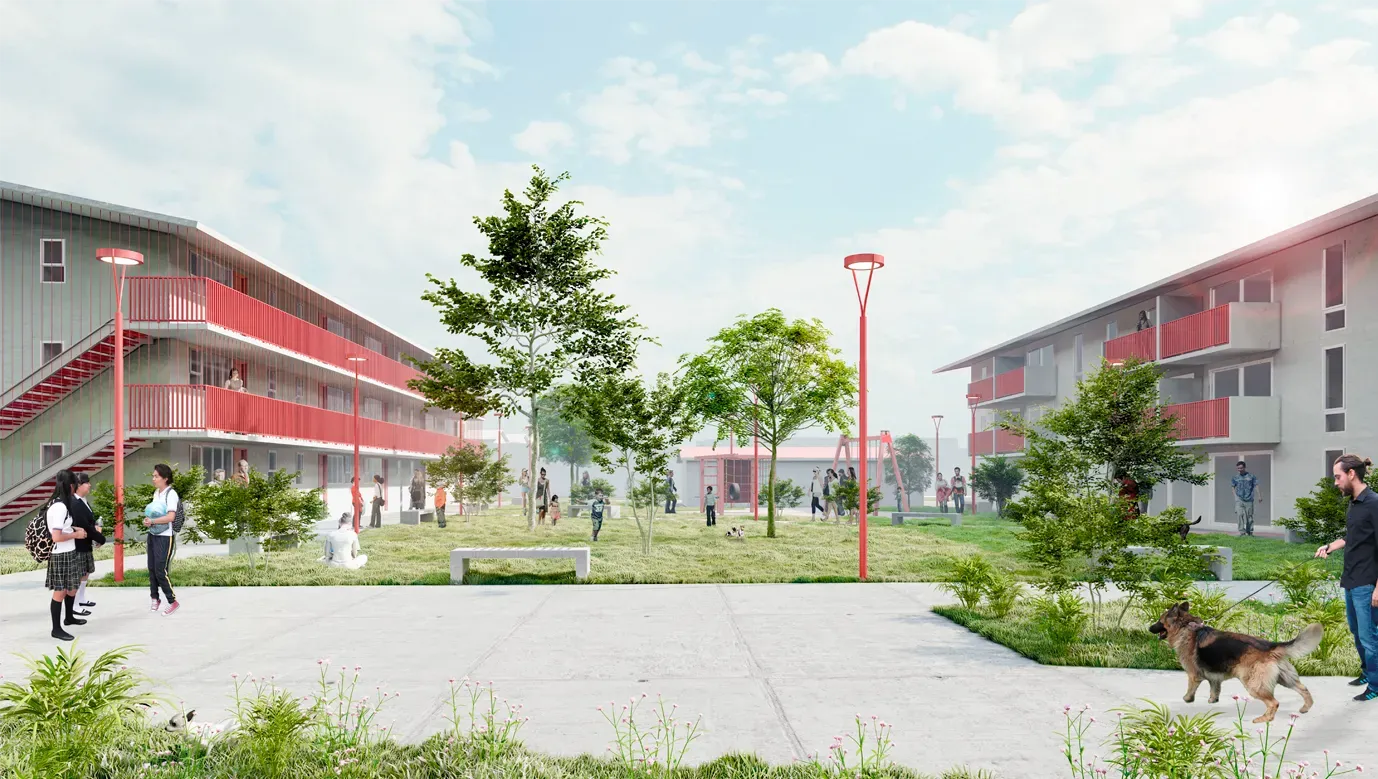
Portfolio of Priority Projects. Together with the Urban Investment Plans and the Housing Management Plan, a portfolio of 53 priority projects was created, centered on the Jorge Alessandri complex and its urban surroundings, with a management plan that includes costs, financing, and construction scheduling.
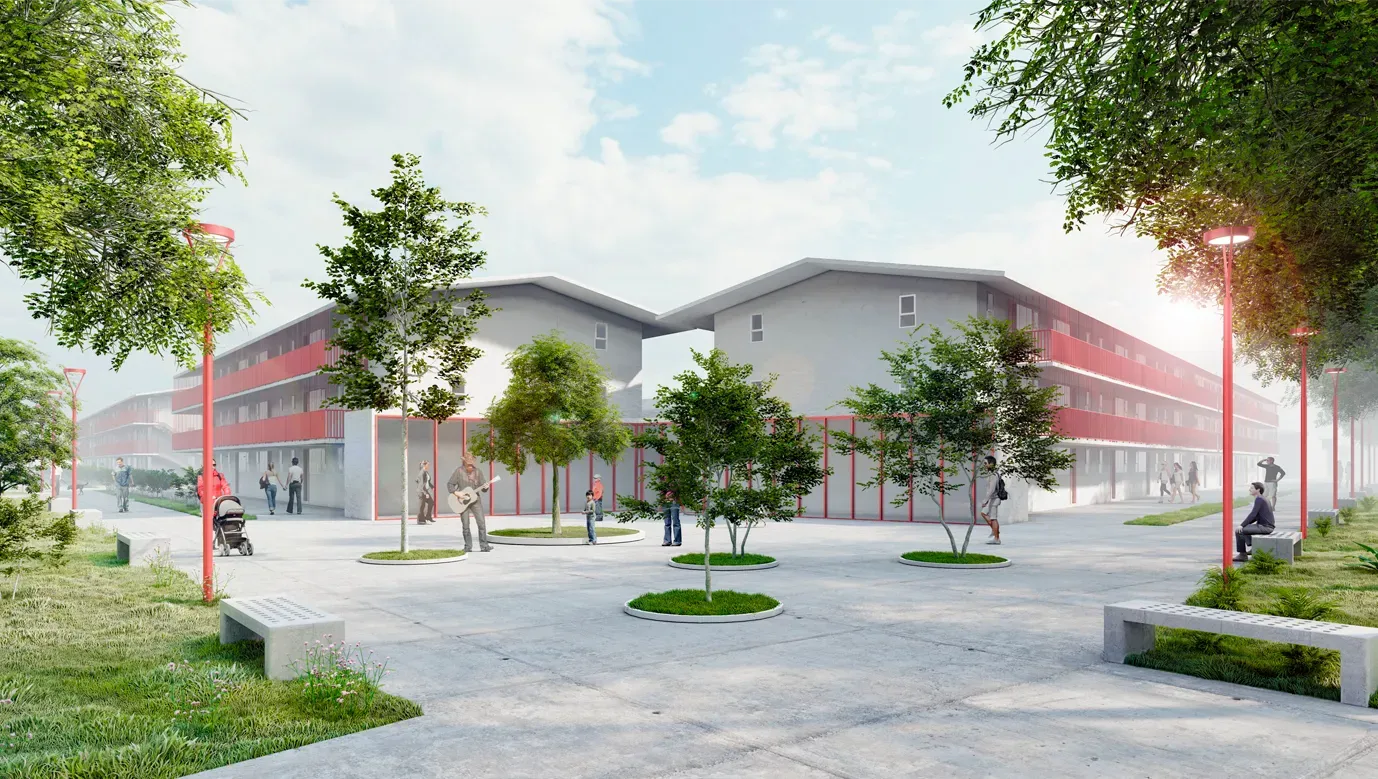
Citizen Participation. All of this diagnostic and proposal work constitutes a first line of approach toward an eventual regeneration process in the Rancagua-Machalí Zone of Public Interest, complementing literature review and direct inspection with institutional and neighborhood coordination, monitoring, and feedback activities: interviews with community leaders, resident surveys, and discussion sessions with involved neighbors.
Thematic Axes. The proposal was structured around four fundamental axes: environmental management of the territory, reactivation of public space, consolidation of connectivity infrastructure, and balanced densification.
Conclusions
The ZIP Urban Regeneration Master Plan in Rancagua represents a forward-looking model of urban-territorial intervention, grounded in local realities yet open to processes of urban innovation. By combining technical rigor, community participation, and territorial sensitivity, it becomes an effective tool for promoting a more integrated, equitable, and resilient city.
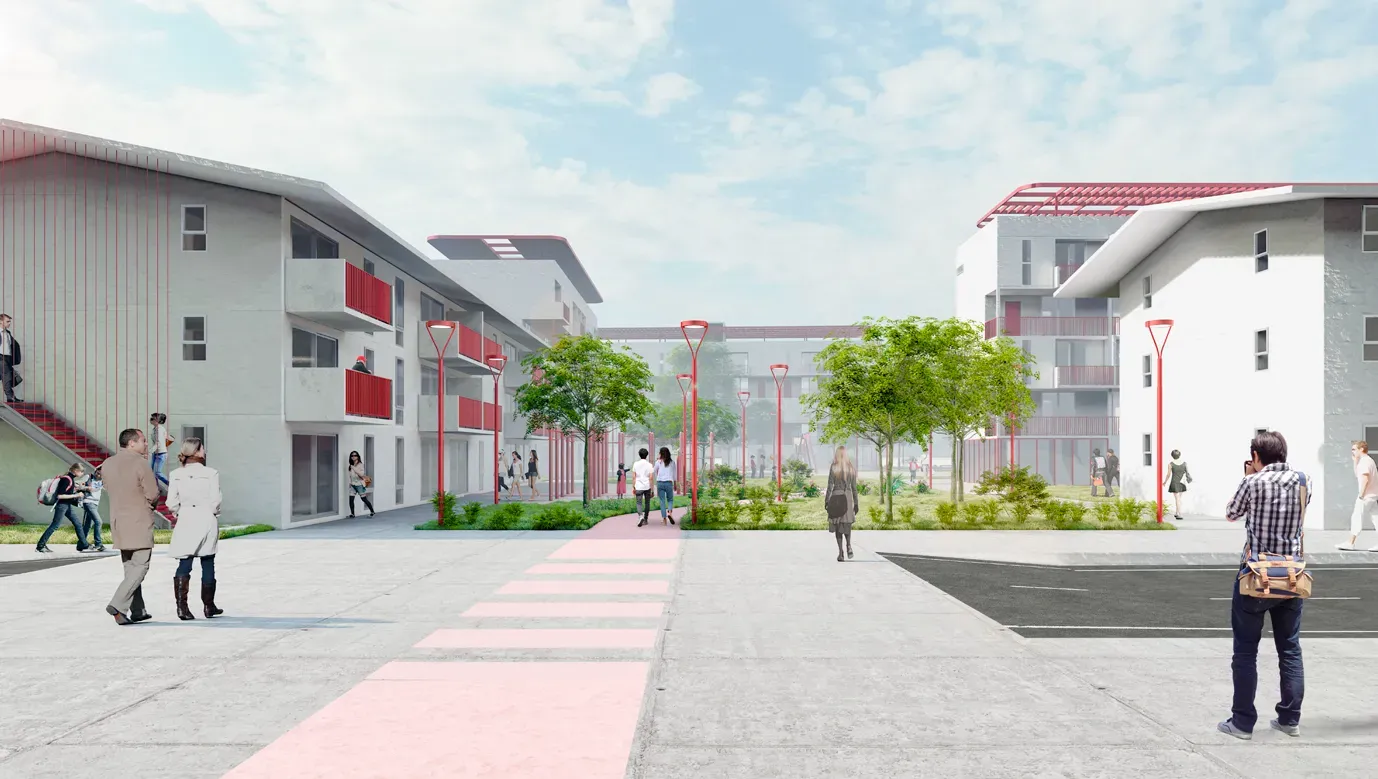
This plan not only proposes to regenerate a deteriorated territory but also to reposition urban planning as a public, ethical, and collective act, in which the transformation of space is also a social and cultural transformation.