
International Public Competition for the New Alameda Providencia Conceptual Master Plan
Santiago, Metropolitan Region · 2015 · Public Space · Competition
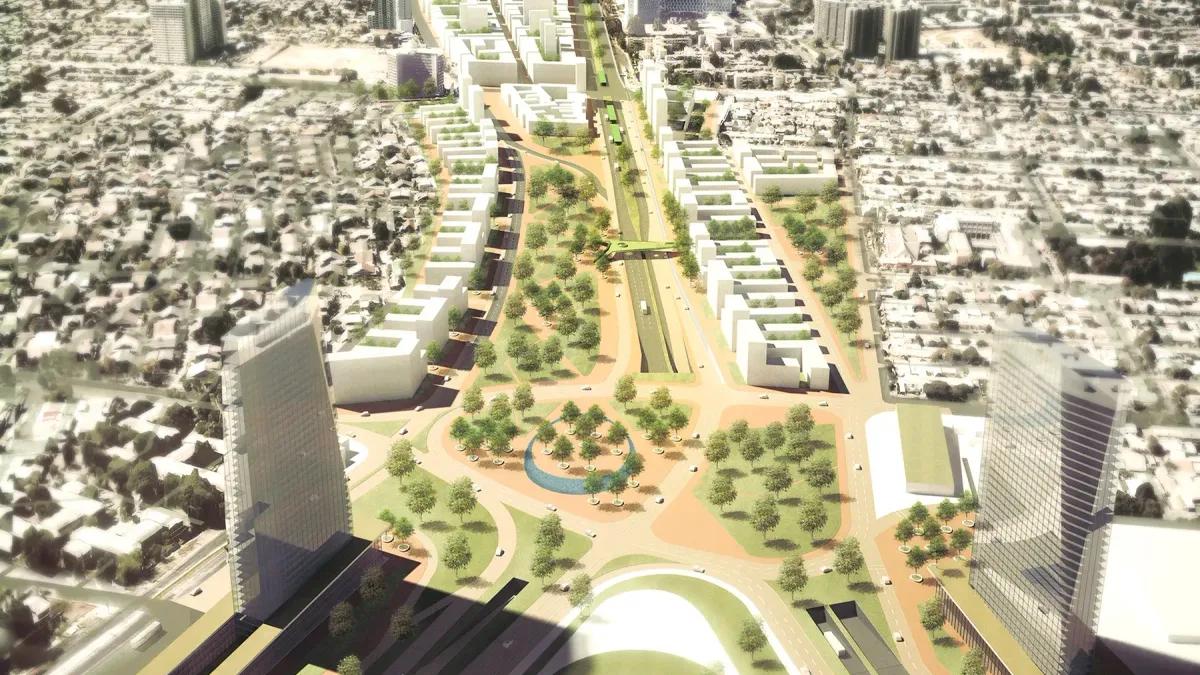
Regeneration of the historic Alameda-Providencia axis through heritage preservation, planned urban development, and reconfiguration of metropolitan mobility.
- Category
- Public Space
- Client
- GORE – Metropolitan Region, Chile
- Associate office
- Prat Arquitectos
- Collaborators
- Diego Portales, Joaquín García, CIS Ingenieros Transporte
- Location
- Santiago, Metropolitan Region
- Region
- Metropolitan Region
- Area
- 12 Km lineales
- Project year
- 2015
- Status
- Competition
Comprehensive Proposal
Regeneration of the Historic Alameda-Providencia Axis through Heritage Preservation Strategies, Planned Urban Development, and Reconfiguration of Metropolitan Mobility
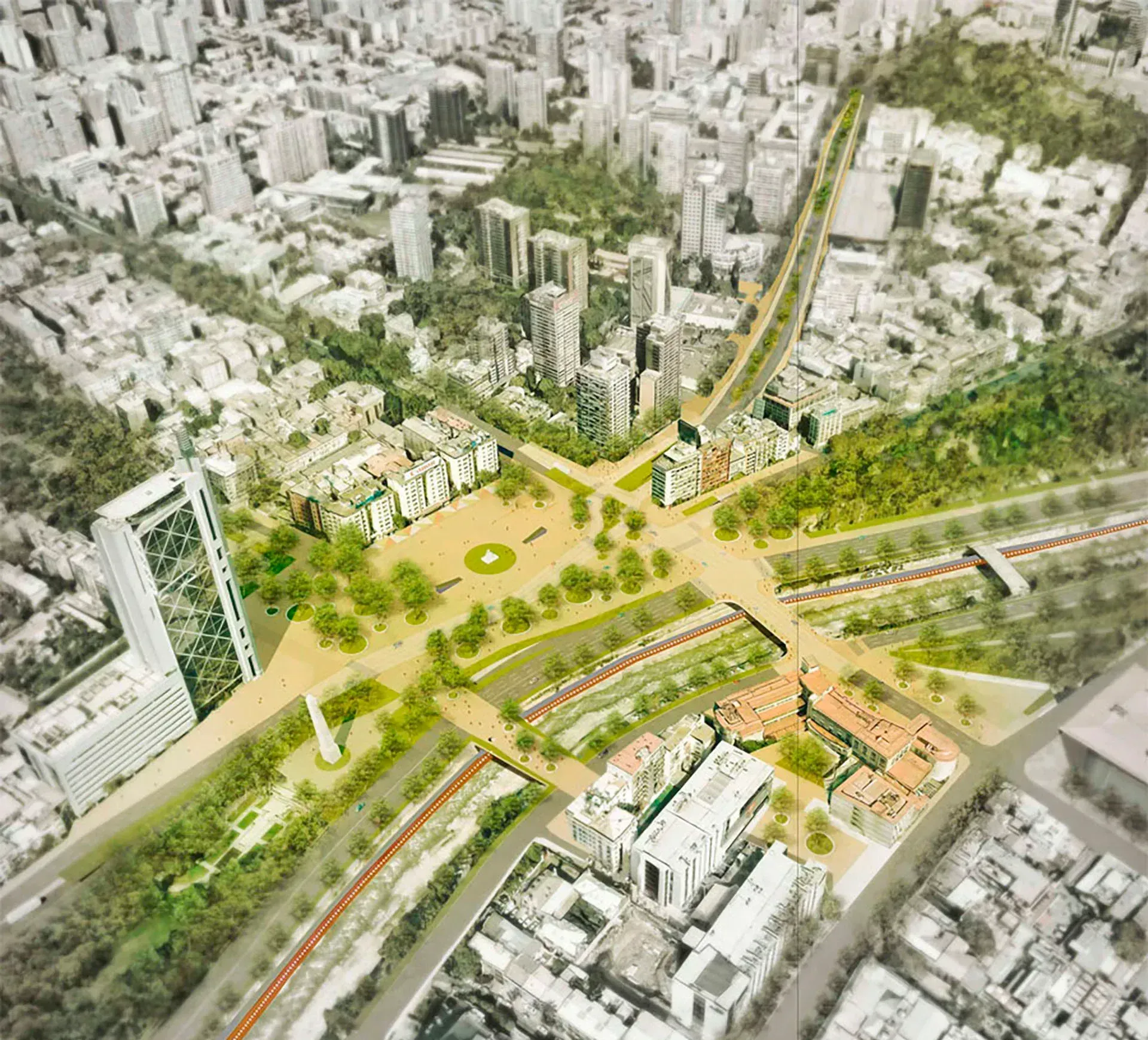
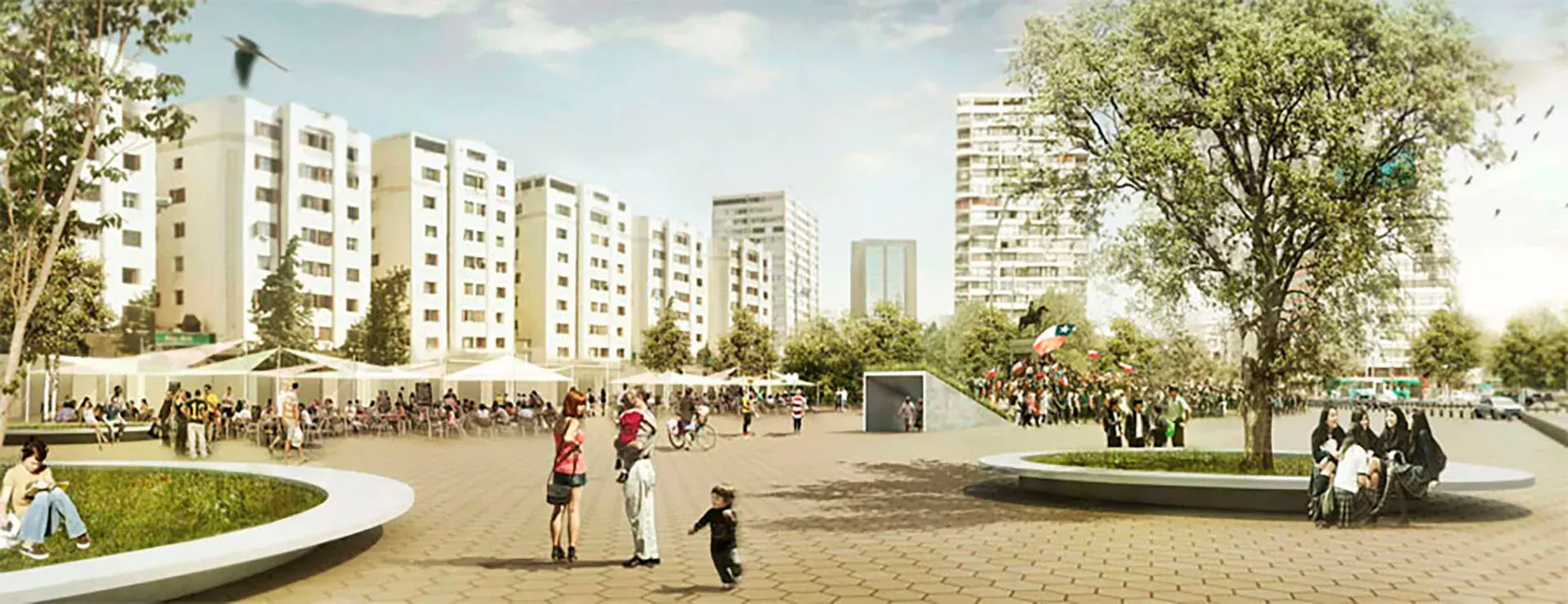
The Alameda-Providencia axis is one of the most emblematic structuring corridors of the Santiago Metropolitan Region and of the country, both for its length and for the density and diversity of functions it concentrates. It brings together heritage landmarks, nationwide-scale facilities, public institutions, civic spaces, metropolitan flows, and a profound symbolic weight in the urban and social history of Chile. However, in recent decades it has shown signs of functional fragmentation, infrastructure obsolescence, and a progressive loss of its spatial quality and identity value.
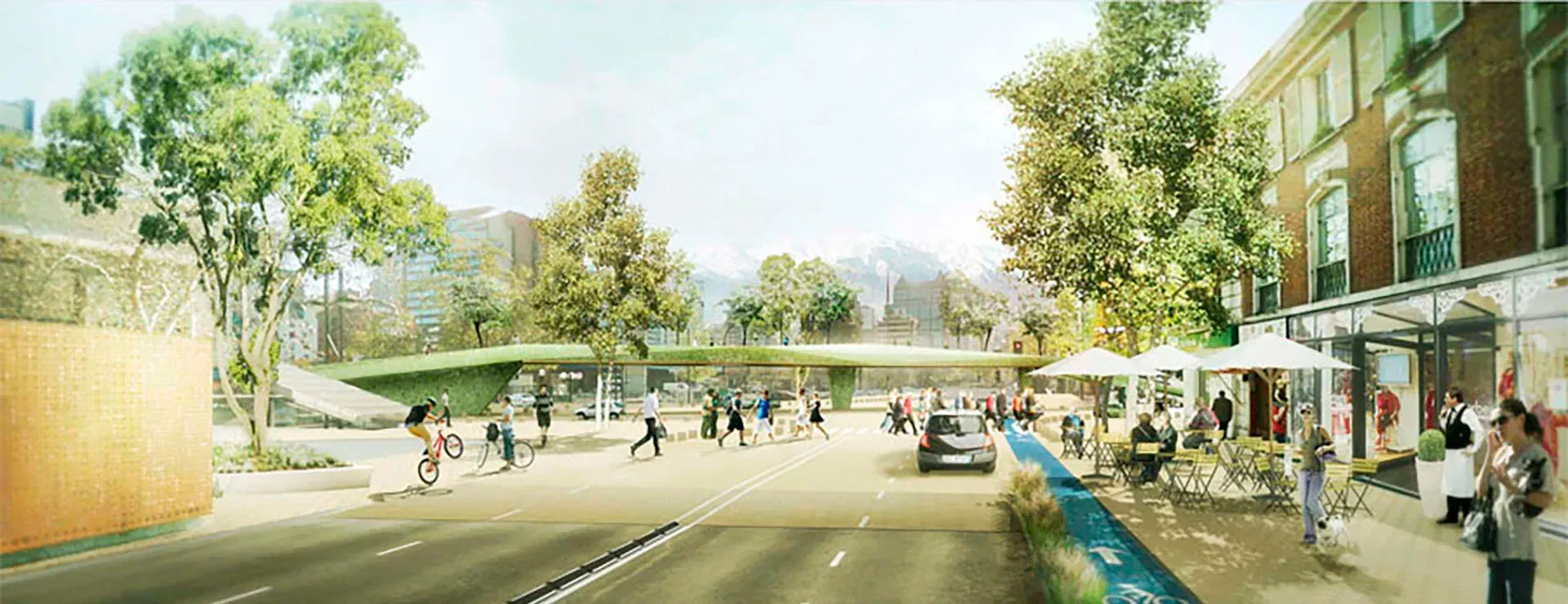
Rescue and Activation of Urban Heritage
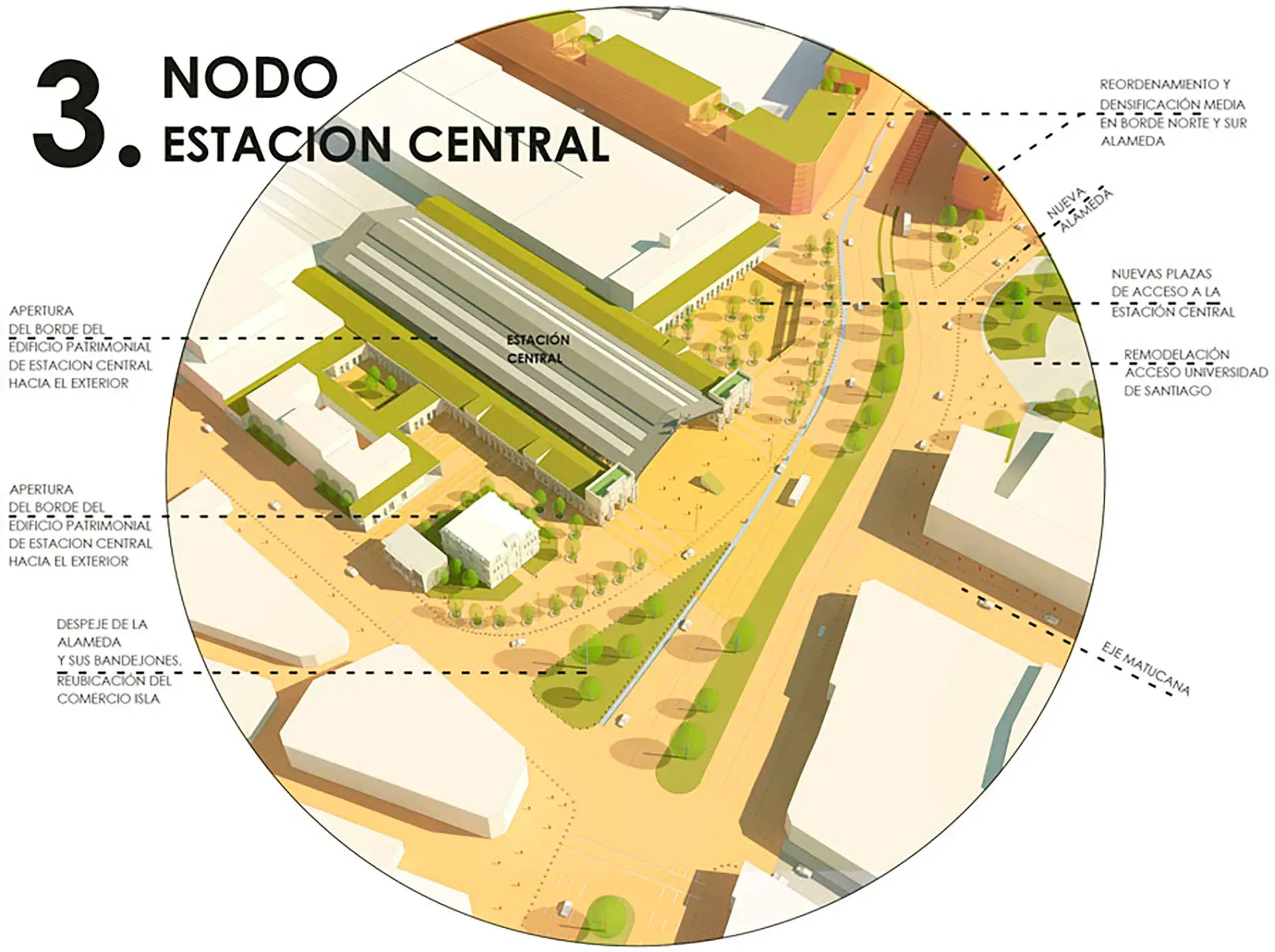
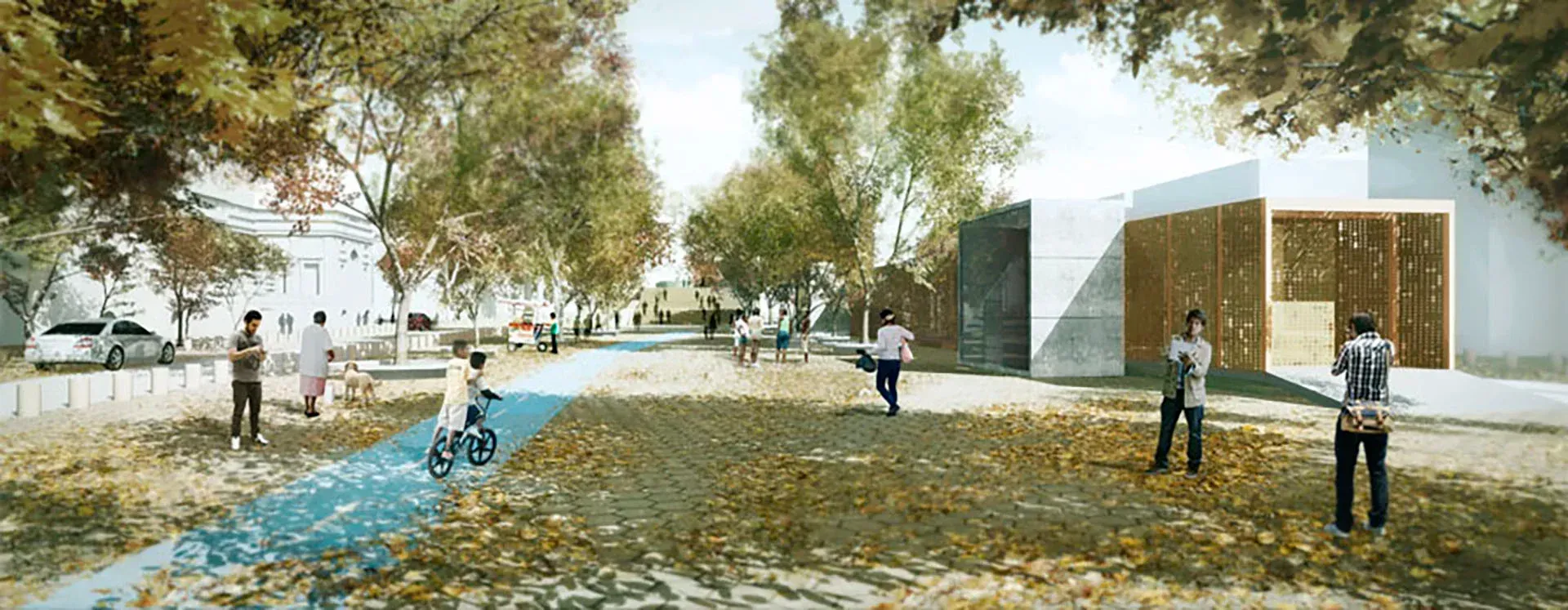
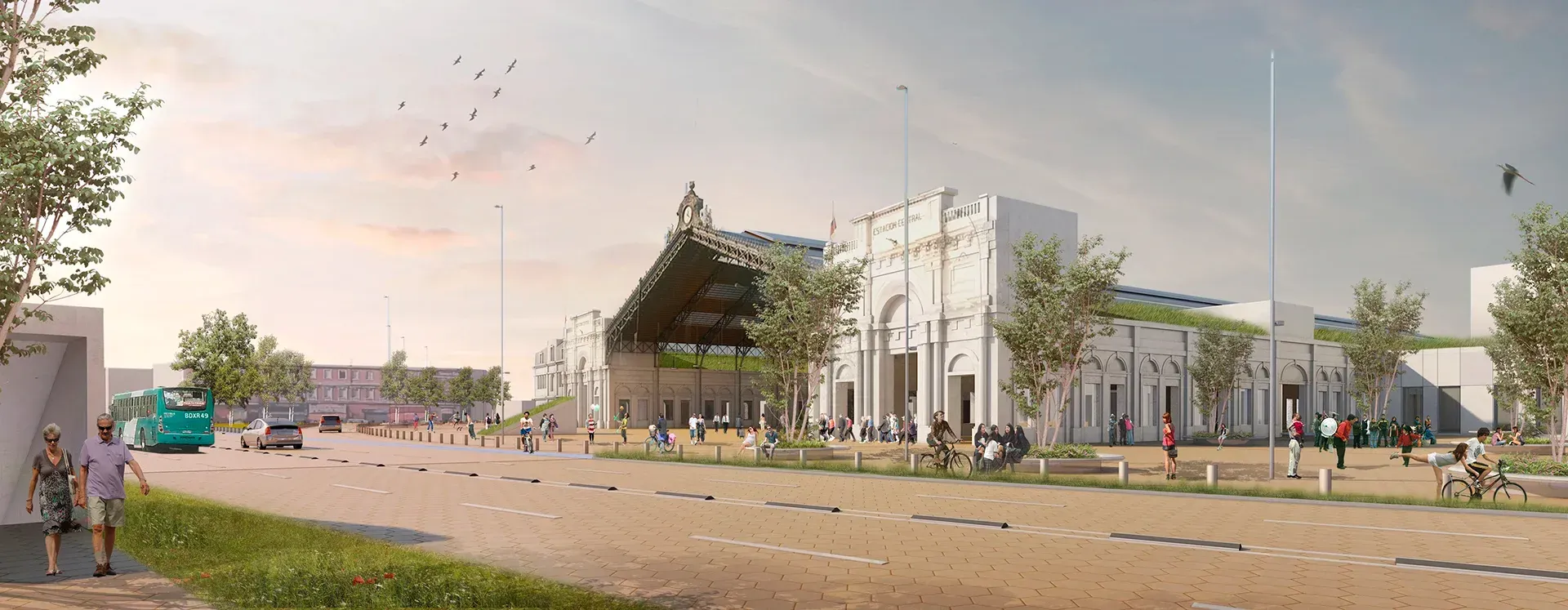
A heritage rescue program is proposed that goes beyond the physical restoration of historic buildings, integrating their functional activation through cultural, educational, and public service uses linked to memory and current urban dynamics. This strategy considers the development of hierarchized heritage catalogs, regulatory guidelines for their protection, and programmatic intervention proposals. Heritage will be understood through a contemporary lens, also recognizing spaces of social memory, symbolic expressions, and intangible heritage.
Intensive, Inclusive, and Planned Urban Development
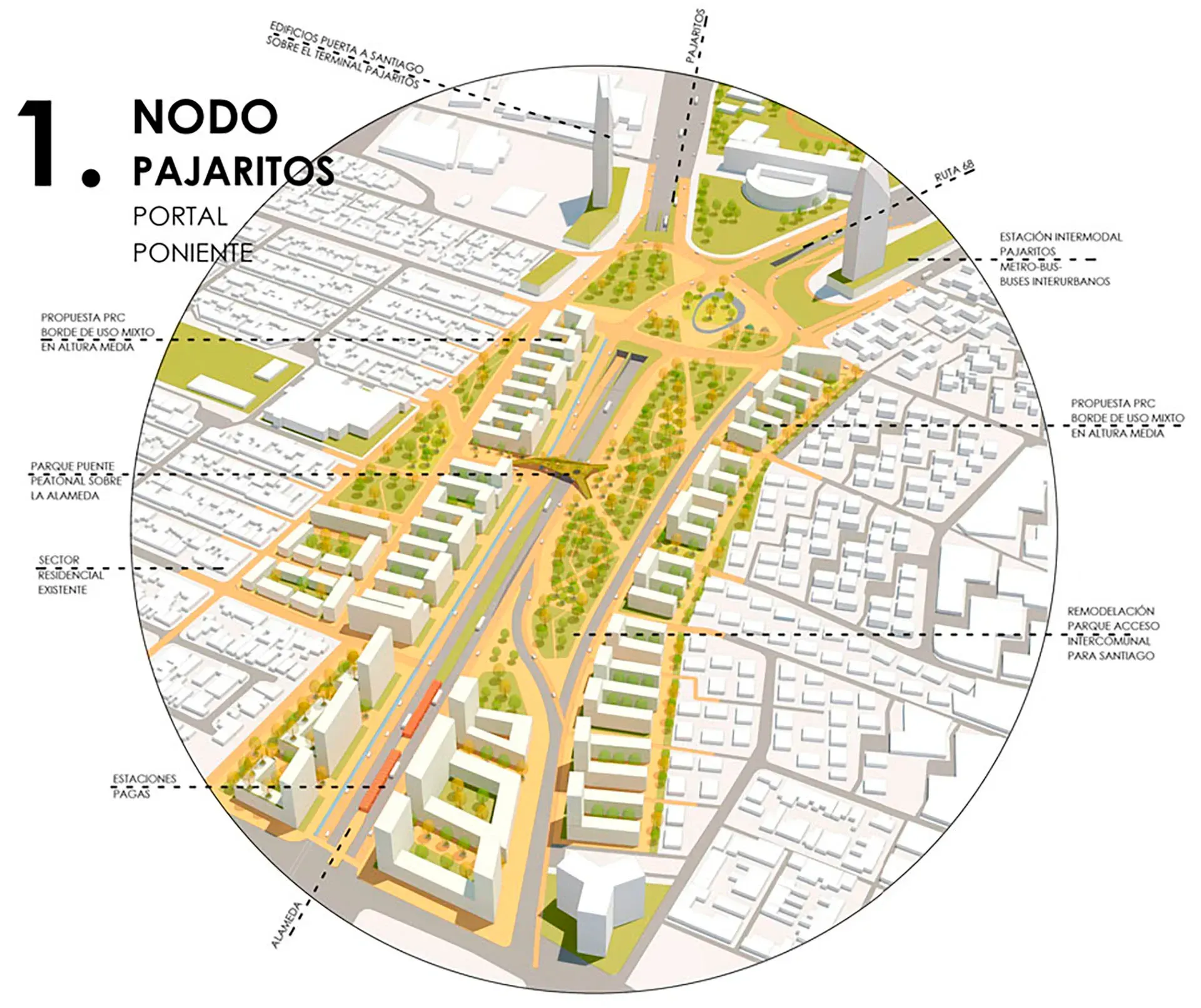
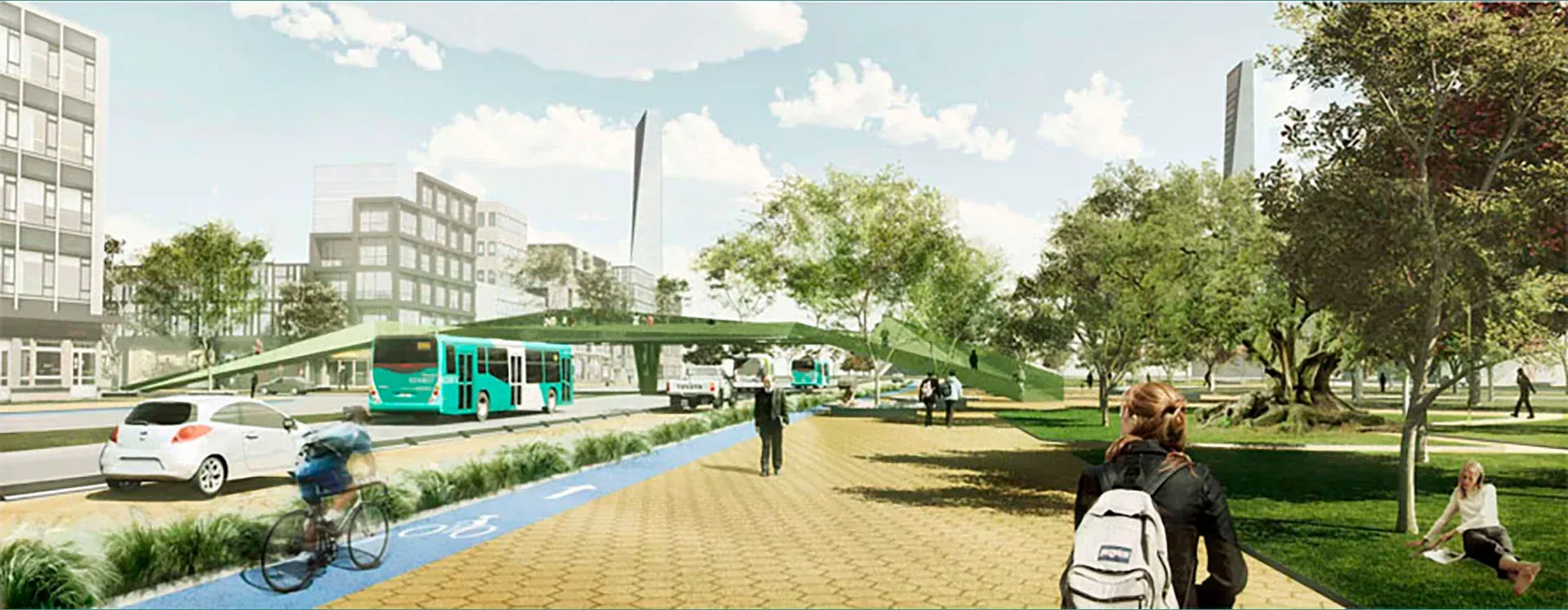
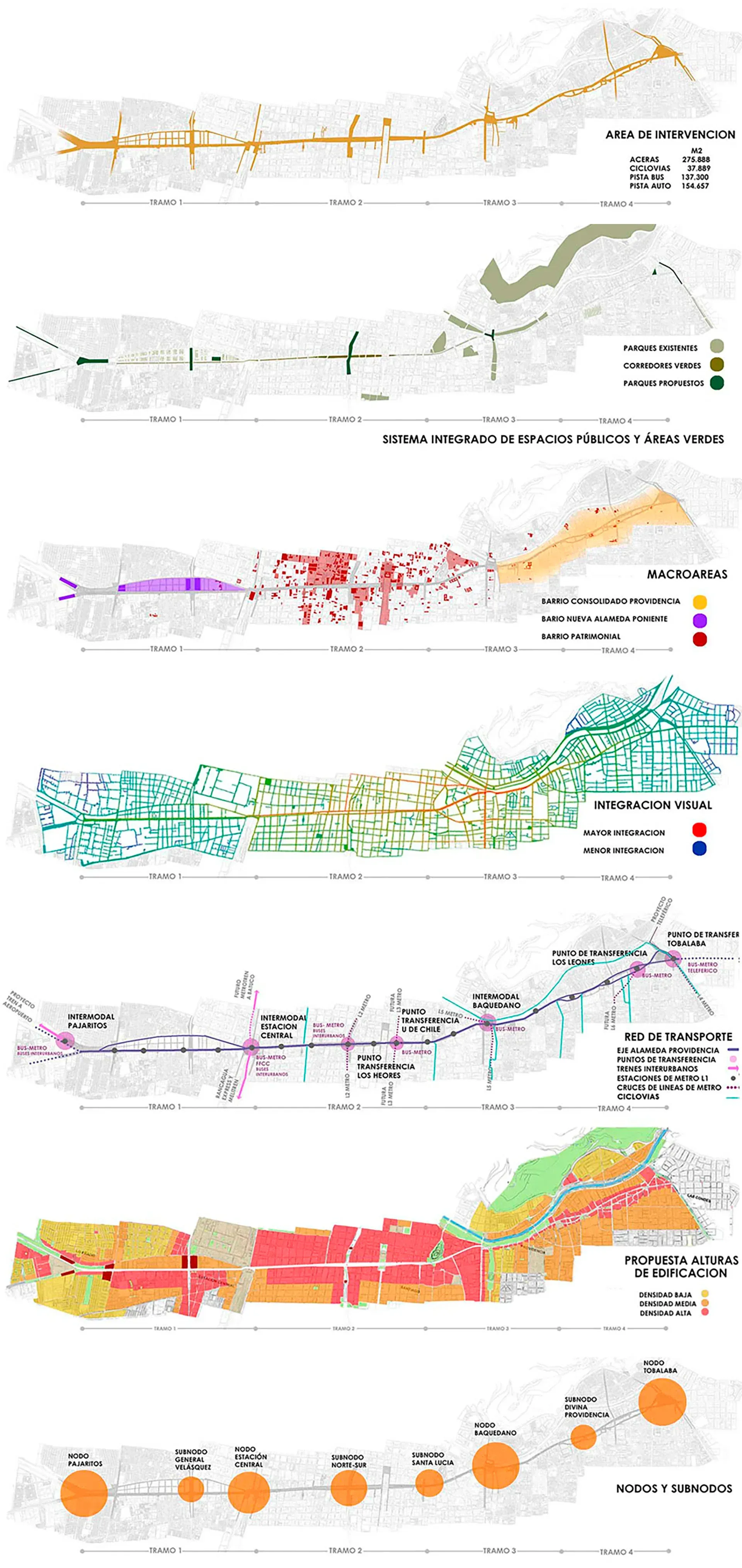
Based on the guidelines of the Metropolitan Master Plan, a balanced densification strategy is proposed that recognizes the specific characteristics of each stretch of the axis, activating degraded or low-density areas with new housing projects, mixed uses, and strategic facilities. The incorporation of instruments such as priority development zones, regulatory incentives, public space dedications, and value capture mechanisms will help direct public and private investment toward a sustainable and equitable transformation.
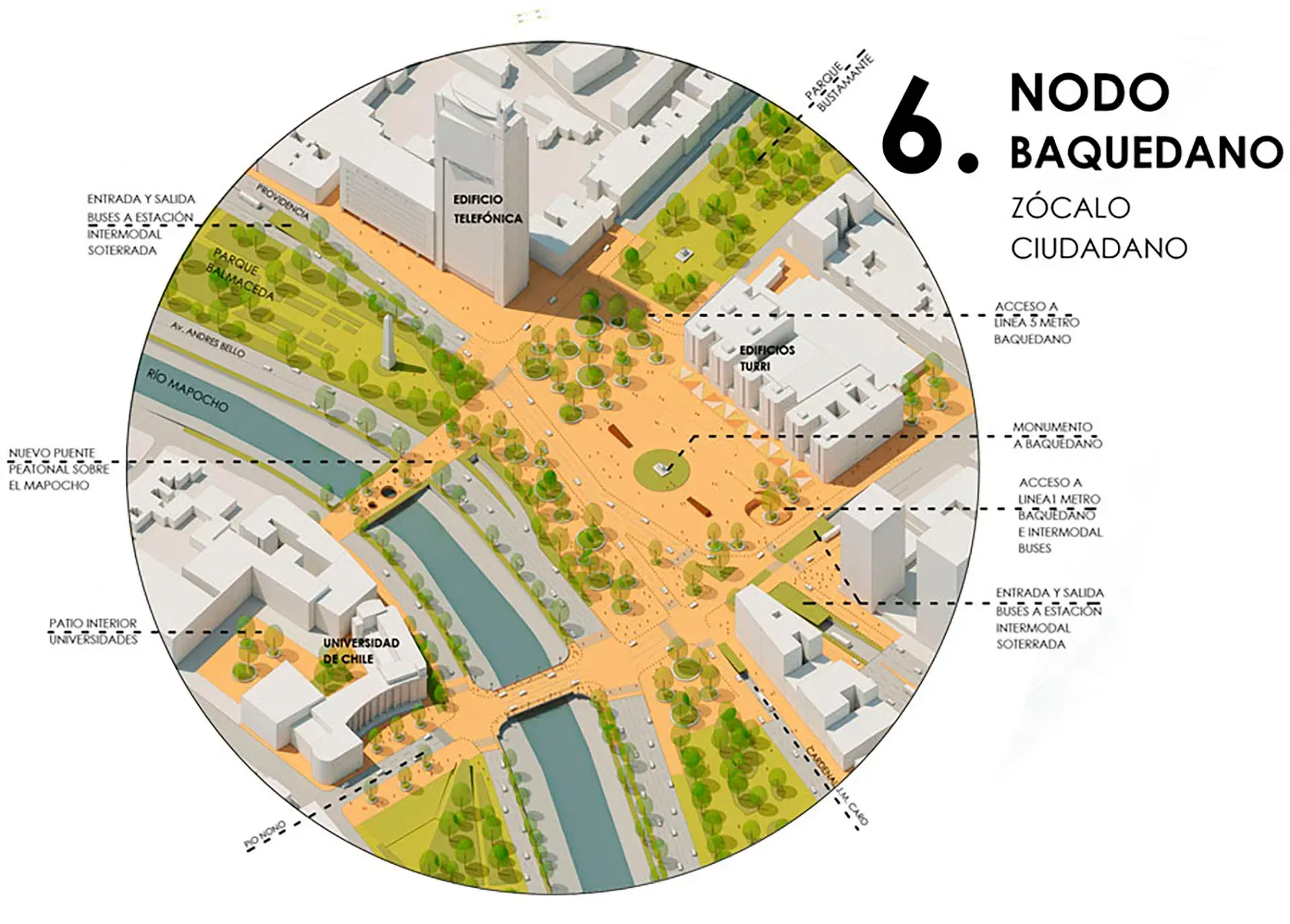
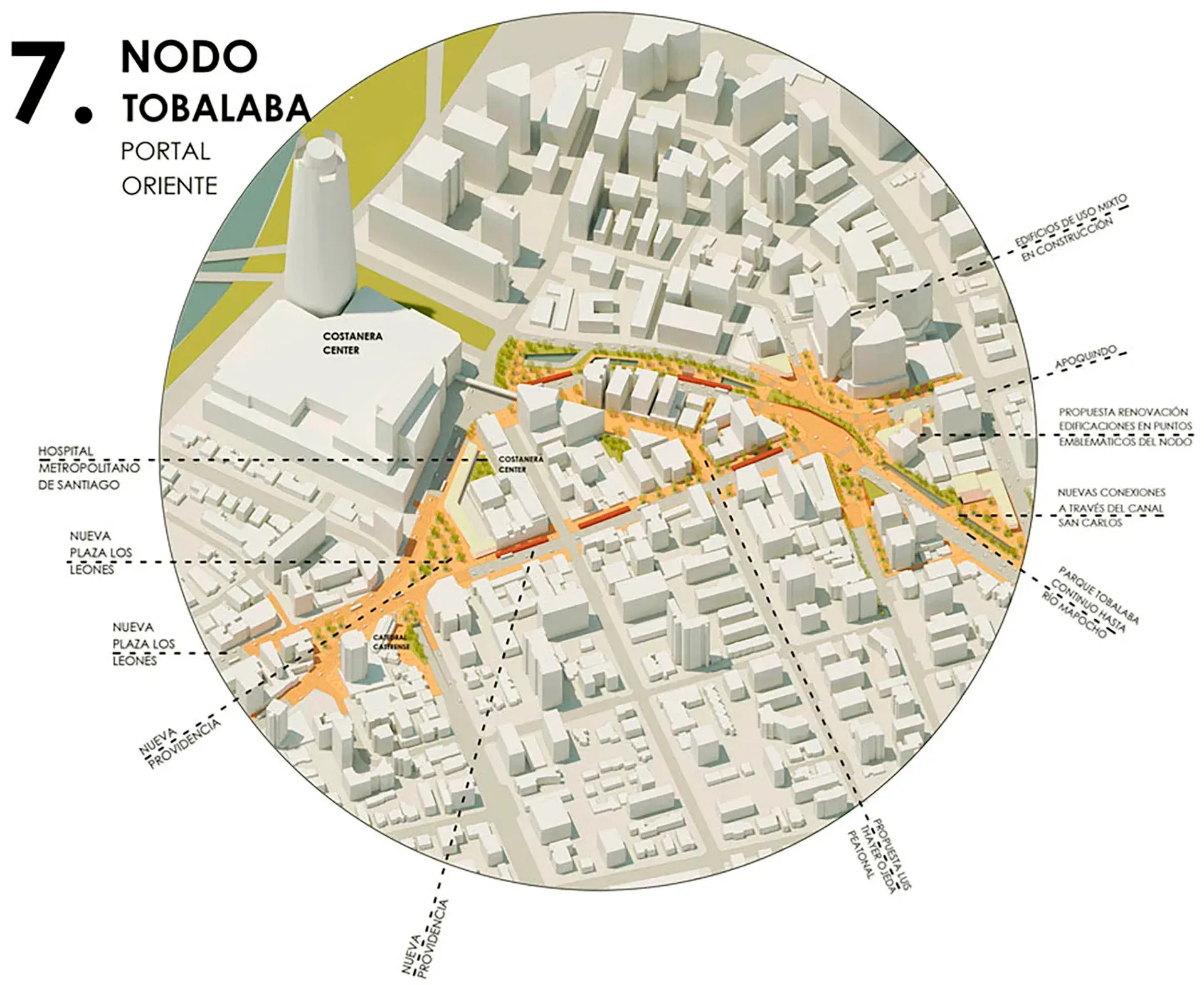
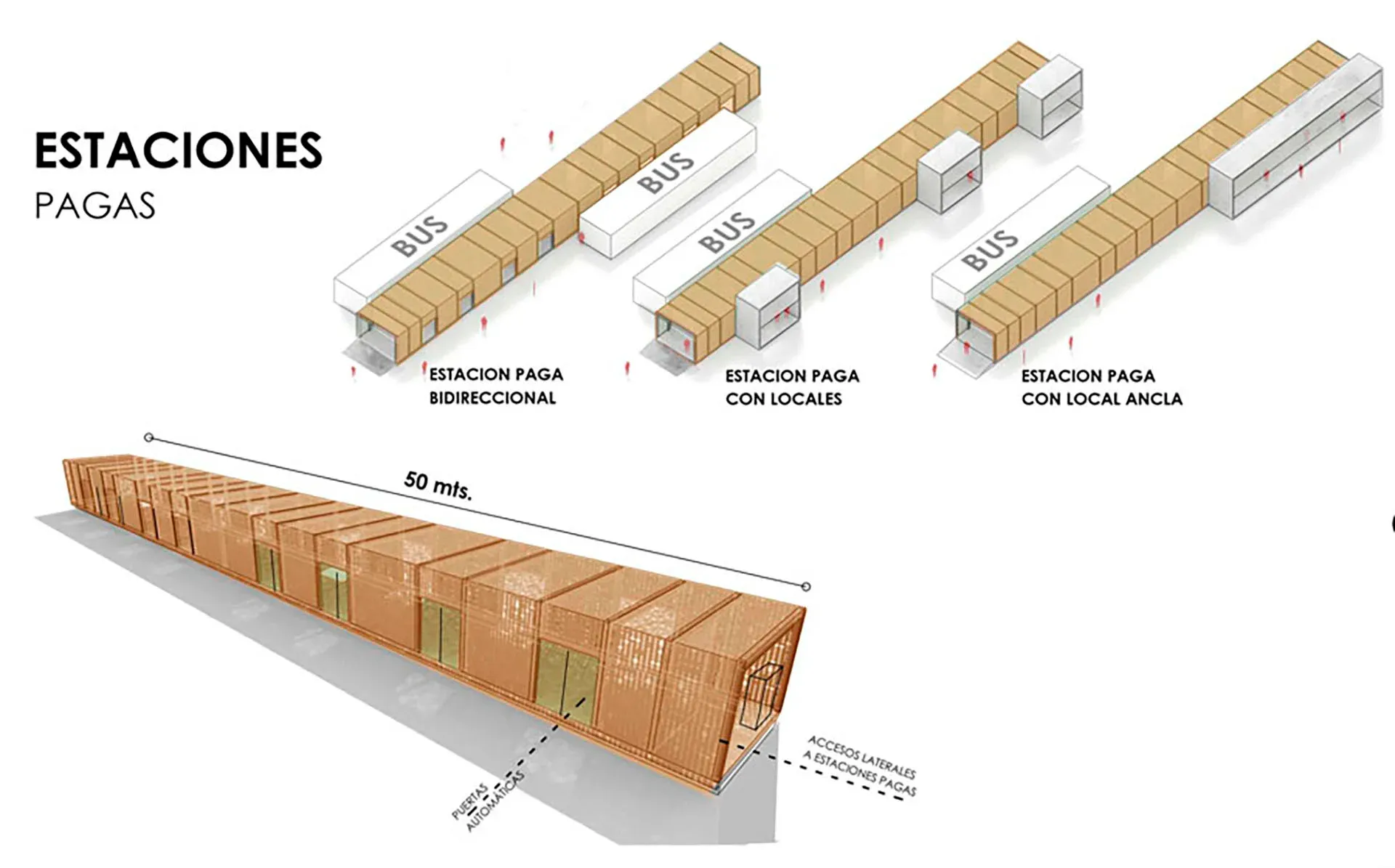
Structuring nodes such as bus terminals, institutional buildings, heritage neighborhoods, and key public spaces will be treated as anchors of the new urban model. In each case, a logic of interconnected programmatic subcentralities will be promoted, allowing centralities to be redistributed and the development of the axis to be balanced.
Multidisciplinary Approach
The development of this proposal involves the coordinated work of a multidisciplinary team, composed of:
- Architects and urban planners: responsible for urban design criteria, heritage interpretation, and territorial structuring.
- Transportation engineers: in charge of flow modeling, road redesign, and technical mobility analysis.
- Sociologists and urban anthropologists: contributing to socio-spatial analysis, citizen perceptions, and heritage valuation.
- Urban economists: responsible for studying land value, financing models, value capture, and economic feasibility.
- Citizen participation experts: in charge of designing community engagement strategies and social validation of the proposals.
- Environmental and sustainability specialists: for the incorporation of ecological criteria, green infrastructure, and impact mitigation.
This synergy of disciplines will make it possible to formulate an urban project with strategic vision, technical feasibility, and social legitimacy, transforming the Alameda-Providencia axis into a backbone of metropolitan regeneration that is resilient, inclusive, and heritage-conscious.