Design of San Antonio de la Villa Barraza School
Ovalle, Coquimbo Region · Jun. 2016 – Dec. 2017 · Architecture · Built
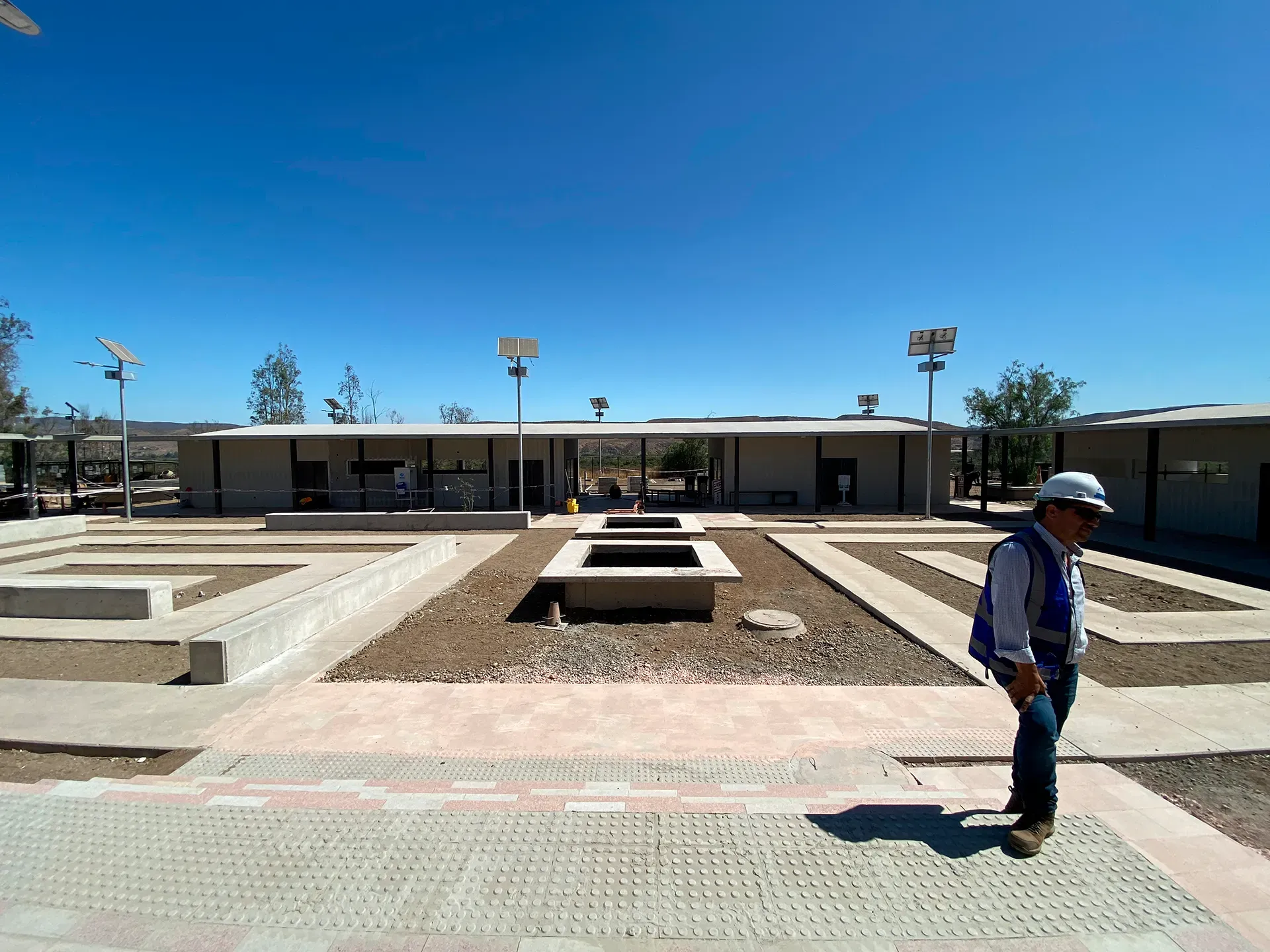
An orthogonal scheme built around two central courtyards, used daily today by close to 120 rural students from Villa Barraza.
- Category
- Architecture
- Client
- Municipality of Ovalle
- Collaborators
- Vladimir Pereda, Cristian Rosas, Sergio Valderrama
- Location
- Ovalle, Coquimbo Region
- Region
- Coquimbo Region
- Area
- 1.476 m2
- Project year
- Jun. 2016 – Dec. 2017
- Construction year
- 2024
- Status
- Built
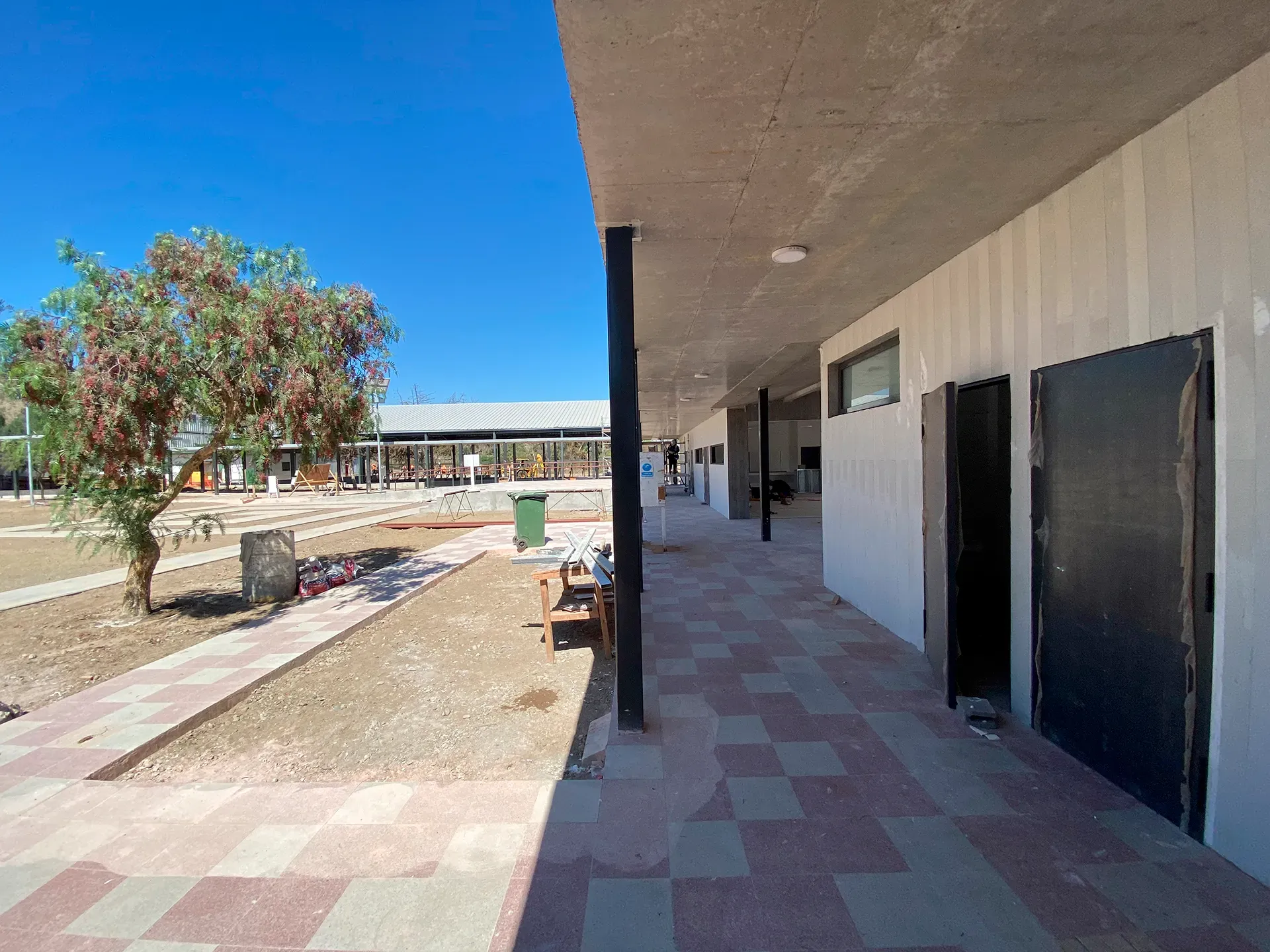
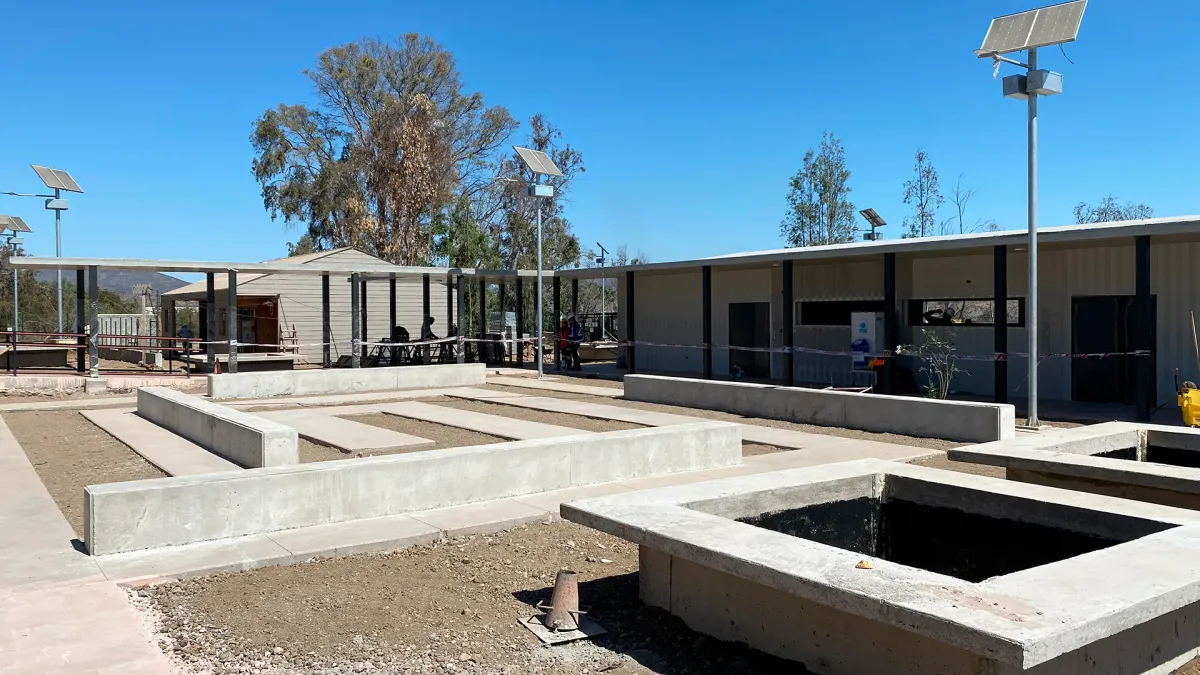
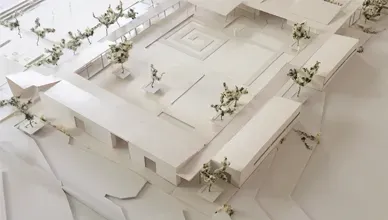
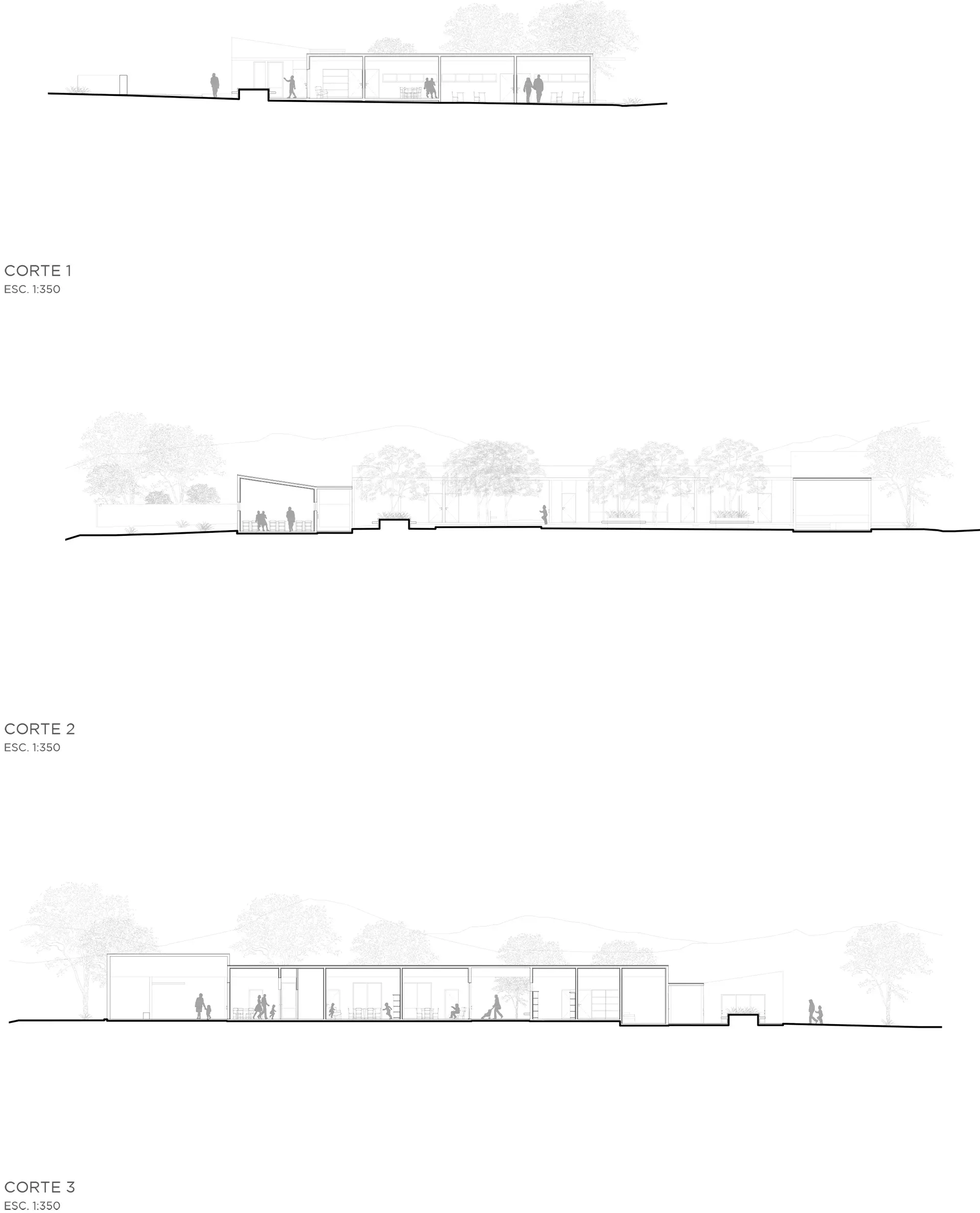
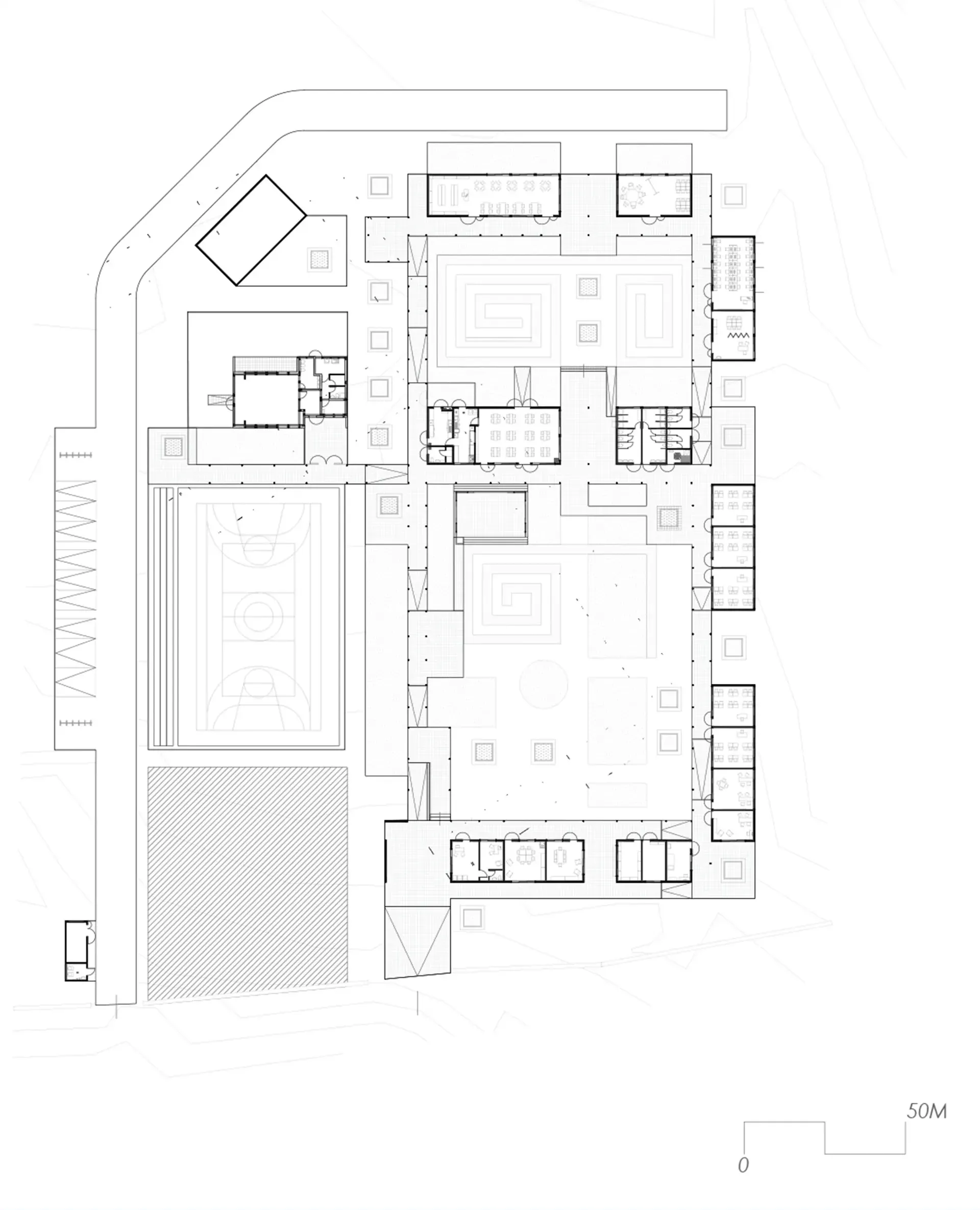
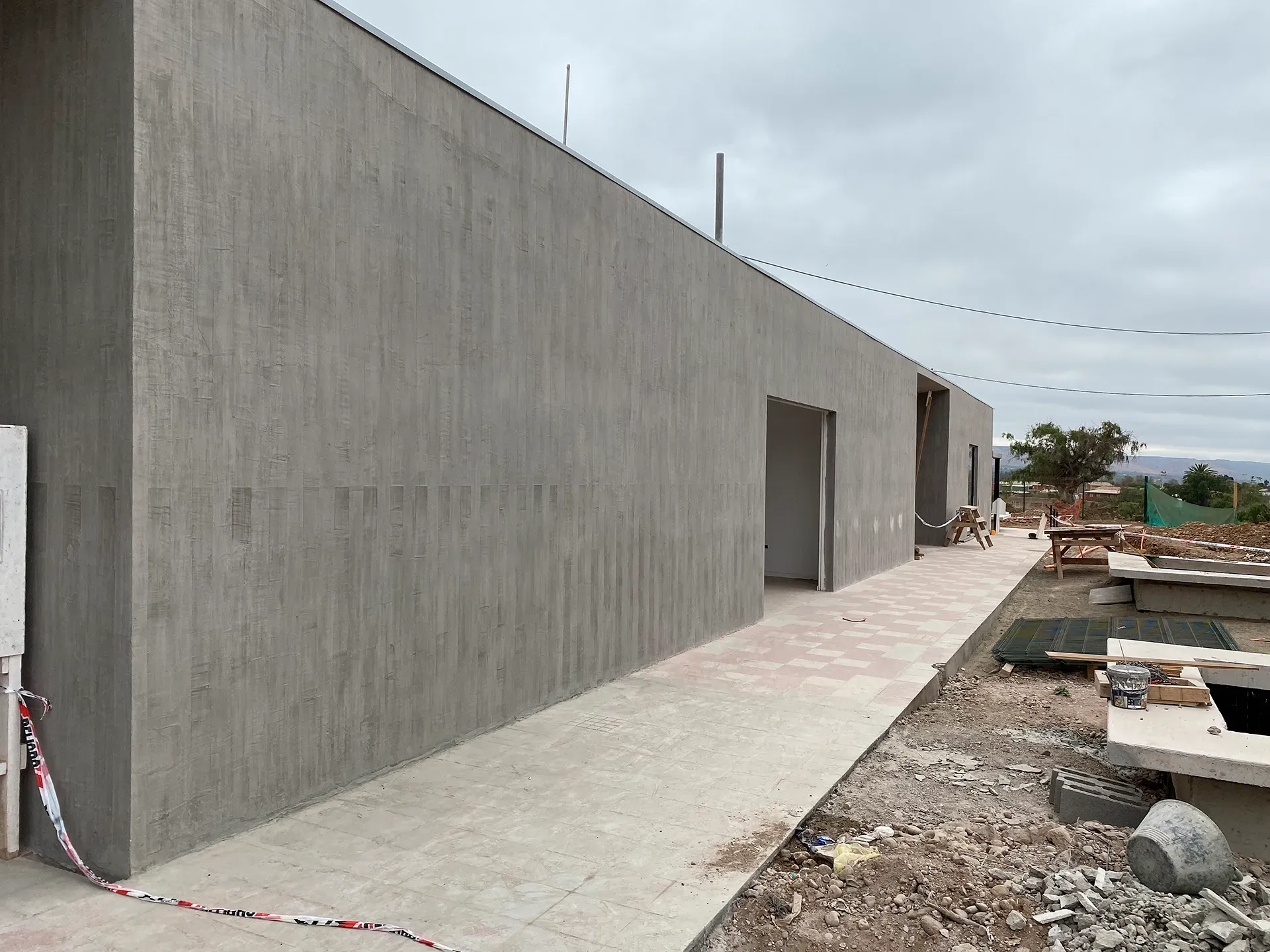
San Antonio de la Villa de Barraza Rural School was conceived from an orthogonal scheme that organizes the educational program around two central courtyards, forming a simple plan of circulation cores and perimeter classrooms. Each of these courtyards functions as an open-air learning space, while the covered corridors—open toward the interior of these voids—and those attached to the reinforced-concrete volumes provide sheltered passage and reinforce the visual connection between the different sectors. The tectonic axis of classrooms and services breaks slightly to frame views of the agricultural valley, and on its western side sits the gymnasium, linked to the school’s courtyards.
The sinuous roofs echo the silhouette of the distant mountains, moderating rainwater collection and giving movement to their profile. The classroom façades, with continuous end-to-end windows, enhance horizontality and control direct sunlight, framing views of the natural surroundings.
Community and Current Use
Today, close to 120 students from 1st to 8th grade use these courtyards and classrooms daily, while teachers and assistants have incorporated the outdoor spaces into science workshops, collective murals, and civic events.
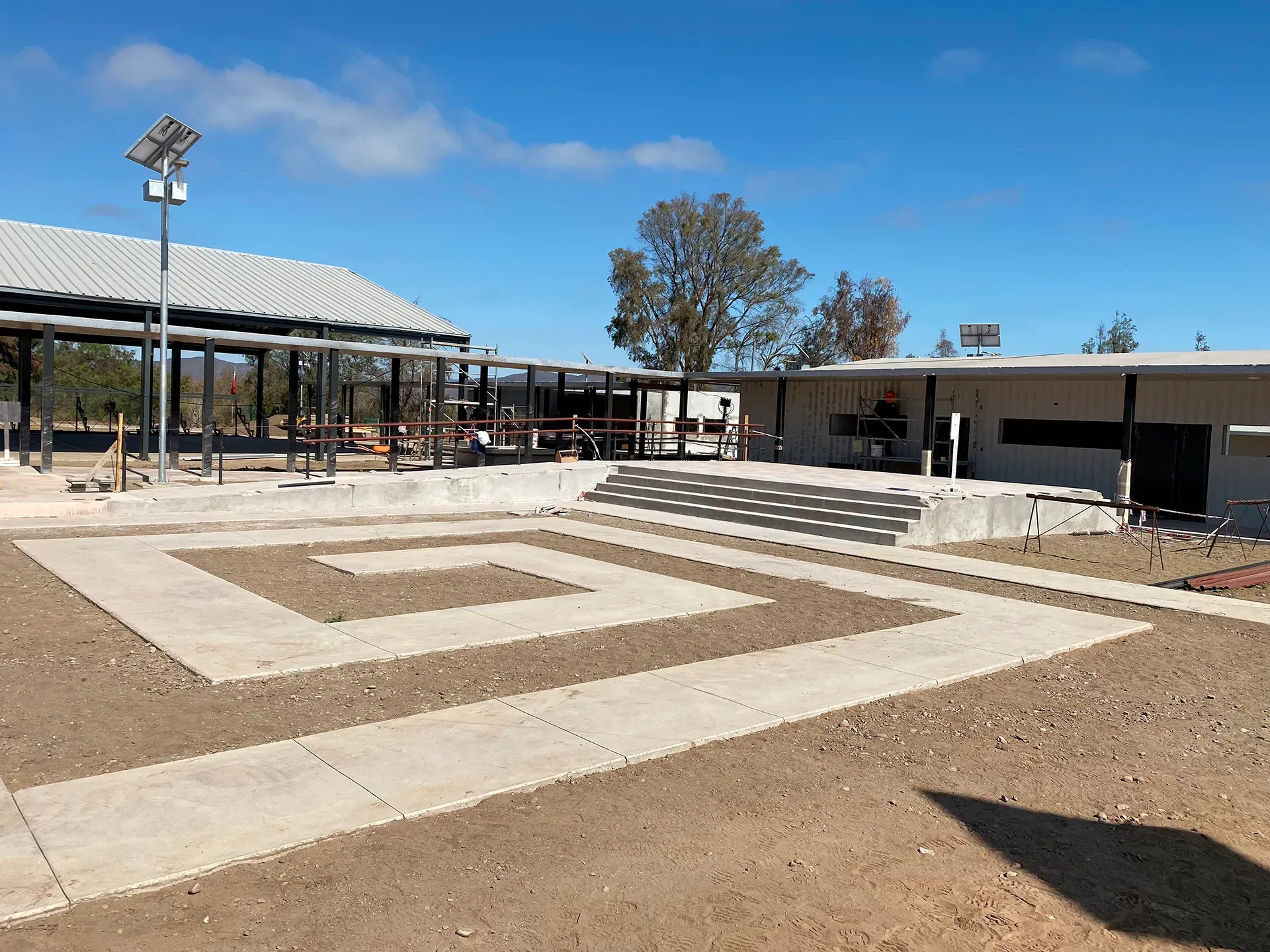
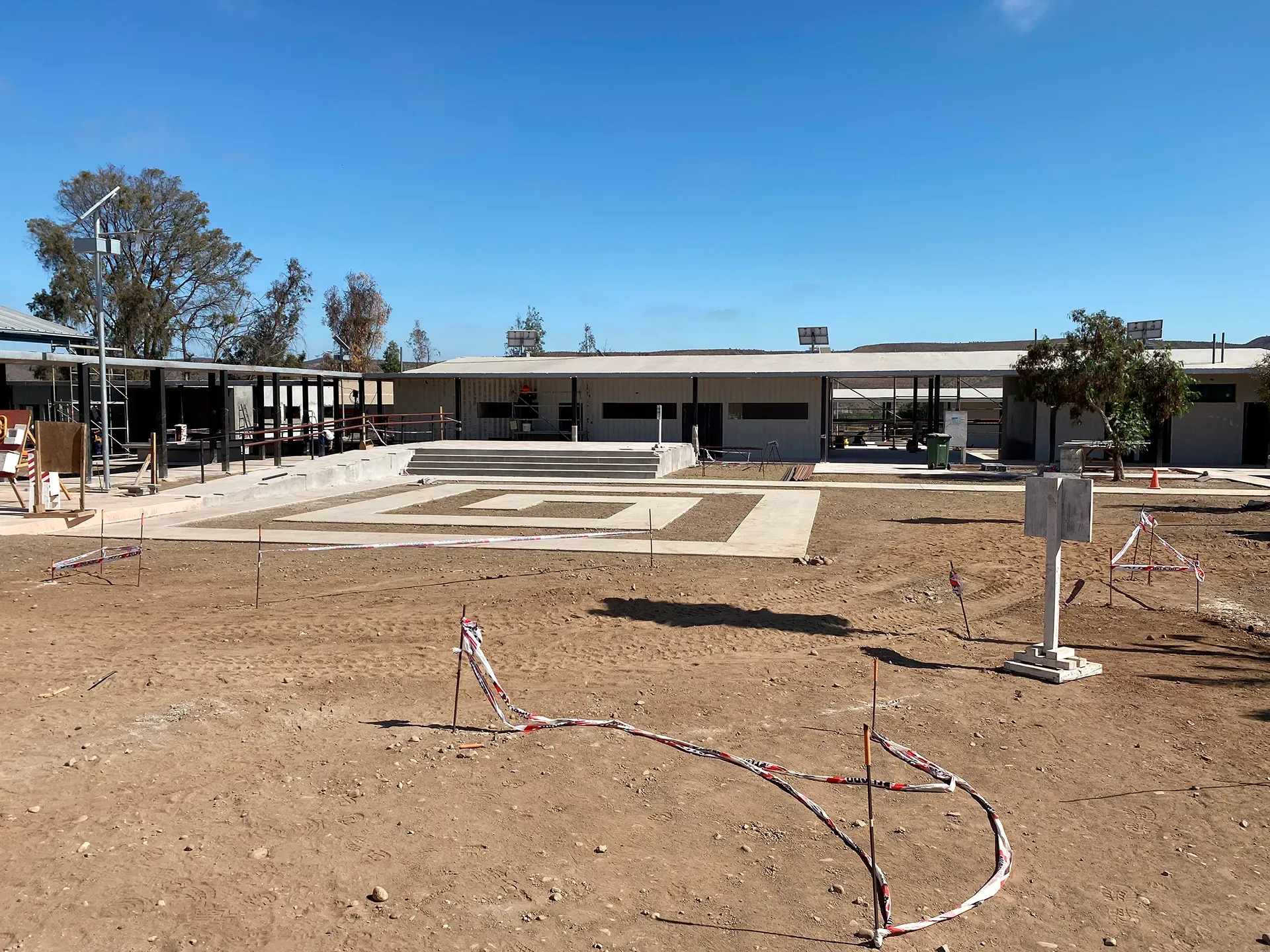
The local community has made the school its own, celebrating everything from school anniversaries to cultural festivals in the gymnasium’s informal amphitheater, thereby validating the wager of a design that, despite its apparent orthogonal rigidity, unfolds with great programmatic flexibility and a deep dialogue with the rural landscape of Villa Barraza.